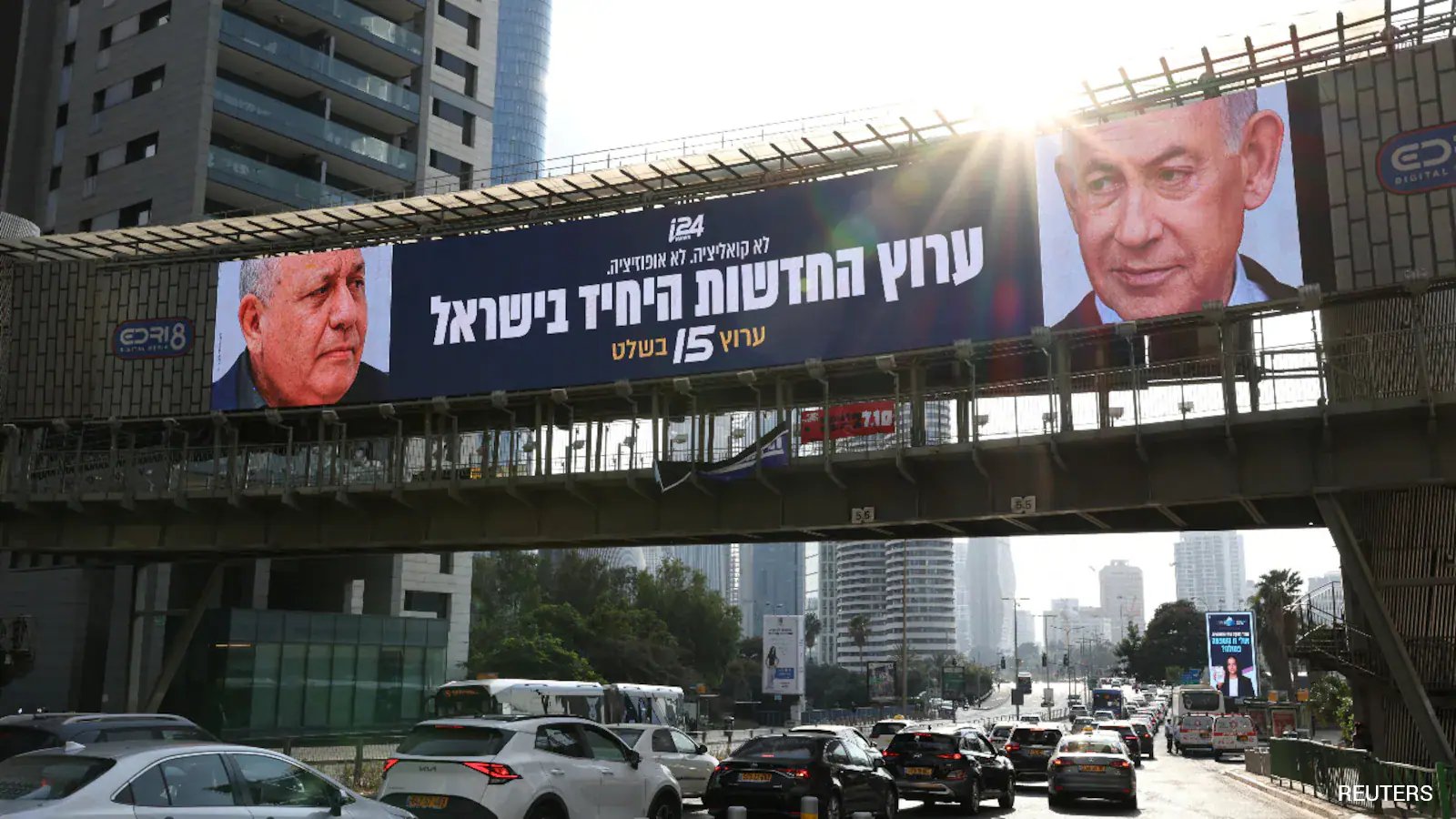
Israelis are heading to the polls on Tuesday to vote for parties, with seats in the Knesset allocated to individuals on party lists via proportional representation. This marks the country's first general election since the Hamas attack on October 7, 2023, an event that plunged the Middle East into turmoil and pushed Israel into wars in Lebanon and Gaza, along with airstrikes on Iran.
Prime Minister Benjamin Netanyahu, 77, has long been seen as likely to lose power, yet the race has tightened as the vote nears. His Likud party has suffered a sharp drop in polls since the security breach on October 7, which shattered his credentials, and his government's policies on religion and state have alienated many Israelis. He is also fighting on two legal fronts: an International Criminal Court warrant for alleged war crimes in Gaza and a domestic corruption trial, charges he denies.
His main challengers represent a fractured opposition. Former military chief Gadi Eisenkot, 66, who lost a son in Gaza combat, leads the new centrist party Yashar, pitching himself as an honest outsider. Former PM Naftali Bennett, 54, has allied with Yair Lapid in the Together party, focusing on healing a traumatized nation. Former Defence Minister Avigdor Lieberman, 68, runs Israel Our Home, drawing support from ex-Soviet immigrants, while former general Yair Golan, 64, leads the Democrats from the remnants of the Labour party.
On Netanyahu's side, Finance Minister Bezalel Smotrich, 46, and National Security Minister Itamar Ben-Gvir, 50, have drawn international scrutiny for their far-right policies. Smotrich has accelerated West Bank settlements, while Ben-Gvir, convicted in 2007 of racist incitement, has pushed for capital punishment for Palestinian militants and easier gun ownership. Both have advocated for the expulsion of Palestinians from Gaza. Netanyahu also relies on ultra-Orthodox parties United Torah Judaism and Shas, whose demands for military service exemptions have angered many Israelis during the war.
The outcome may hinge on smaller parties. Raam and the Joint List, representing Israel's 20% Arab minority, could tip the balance. So could People of Israel and The Reservists, both wavering in opinion polls. If no clear winner emerges, Netanyahu could remain a caretaker prime minister for months while coalition talks stall.