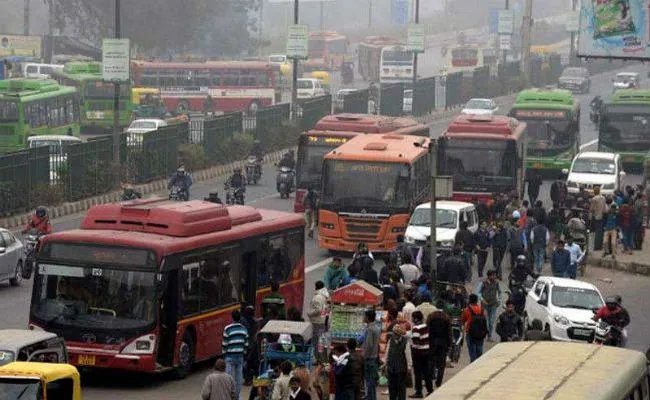
The Delhi Transport Department announced today that it will prohibit all bus strikes and related agitations for a period of six months, following a walkout that began on September 16.
The strike, which had paralyzed bus services for nearly two weeks, was triggered by drivers’ complaints that their daily wage of ₹747 falls far short of the ₹2,000 demanded by the DTC Karamchari Ekta Union.
"The momentum of the strike has dwindled, but our demands are still unfulfilled," said Manoj Sharma, general secretary of the union, during a press briefing.
Critics argue that the ban, invoked under the Essential Services Maintenance Act, prioritizes public convenience over legitimate workers’ grievances, especially as contractual drivers face even lower pay and no social security.
Commuters, who rely on a fleet of about 6,600 buses—including 4,900 electric and 1,750 CNG units—have seen only a modest improvement in service frequency, but many still report overcrowding and delayed routes.
The union has already begun drafting a new strategy, while the government vows to enforce the ban rigorously, citing repeated disruptions and public hardship as the justification for the prohibition.
The next development will be a hearing scheduled for early October, where union representatives will present their case for wage hikes and benefits under the new ESMA framework.