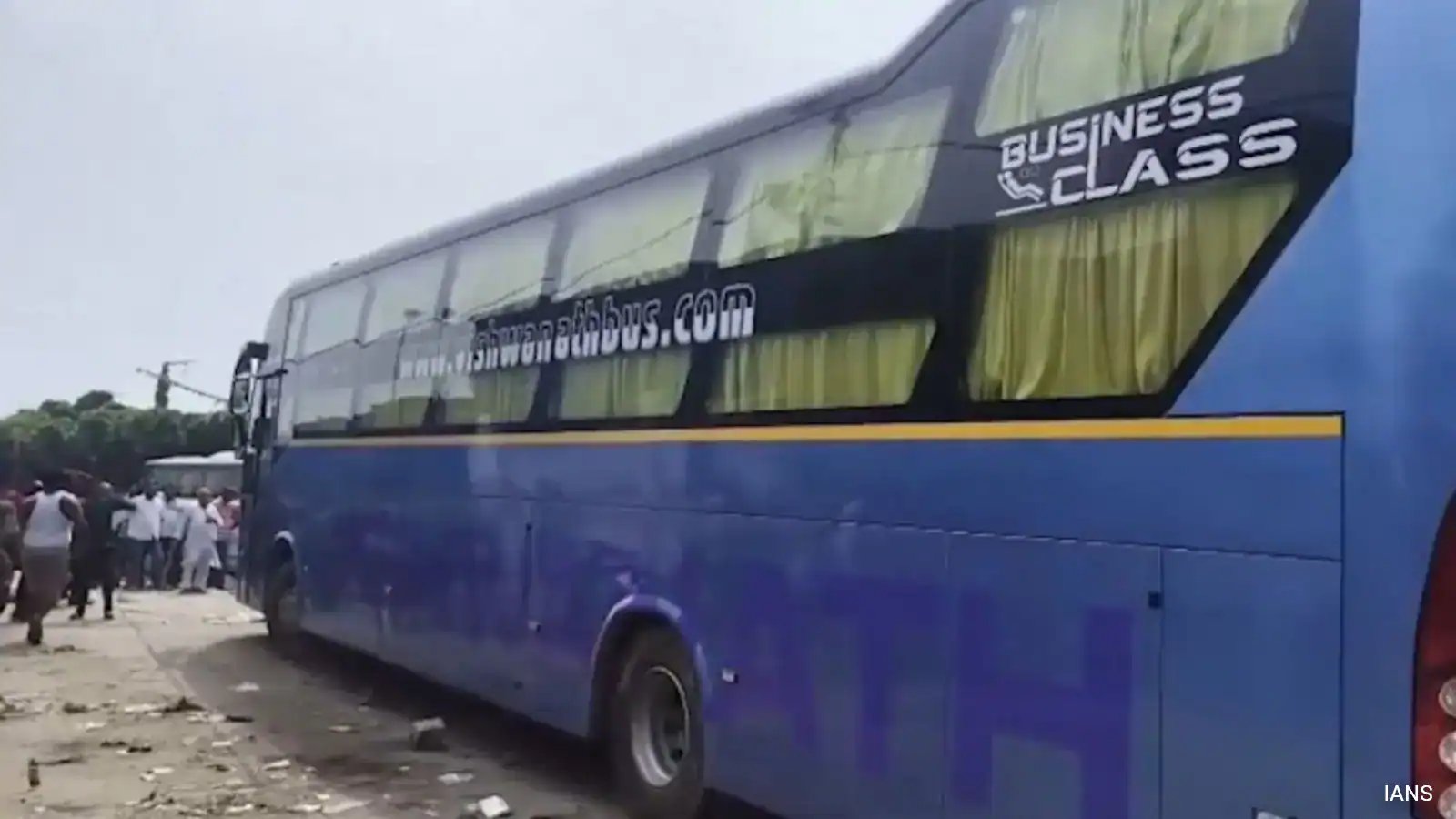
Delhi Police filed a 398‑page chargesheet on September 18 against sleeper bus driver Kuldeep and conductor Sandeep, accusing them of gang‑raping a minor from Uttar Pradesh on the night of August 4, 2024, while she travelled from Greater Noida to Delhi. The victim, who boarded the bus after being told it would reach Noida Sector 63, found herself alone on the vehicle and tried to alight, but the conductor locked the door and the assault allegedly continued inside before the bus was dropped near Kashmere Gate, where she filed a complaint.
Police traced the bus within hours by combing CCTV footage from the route, locating it in a parking lot in Timarpur and arresting the driver and conductor. Forensic teams collected semen samples and hair strands from the vehicle’s interior, sending them to the Forensic Science Laboratory for analysis.
Investigation revealed serious safety and regulatory lapses: the bus had eleven pending traffic challans, including seven for overspeeding, a non‑functional CCTV camera, curtains installed over windows, and no panic button or vehicle‑tracking system. Both accused were reportedly hired without police verification, a breach of transport‑sector protocols.
In a suo motu notice, a bench of Justices J B Pardiwala and K Vinod Chandran drew a painful parallel to the 2012 Nirbhaya case, questioning whether systemic law‑enforcement mechanisms have improved. The Supreme Court’s remarks underscore the urgency of reforms, while the case will be heard in the Civil Court on October 2, 2024, setting a precedent for how such incidents are handled moving forward.