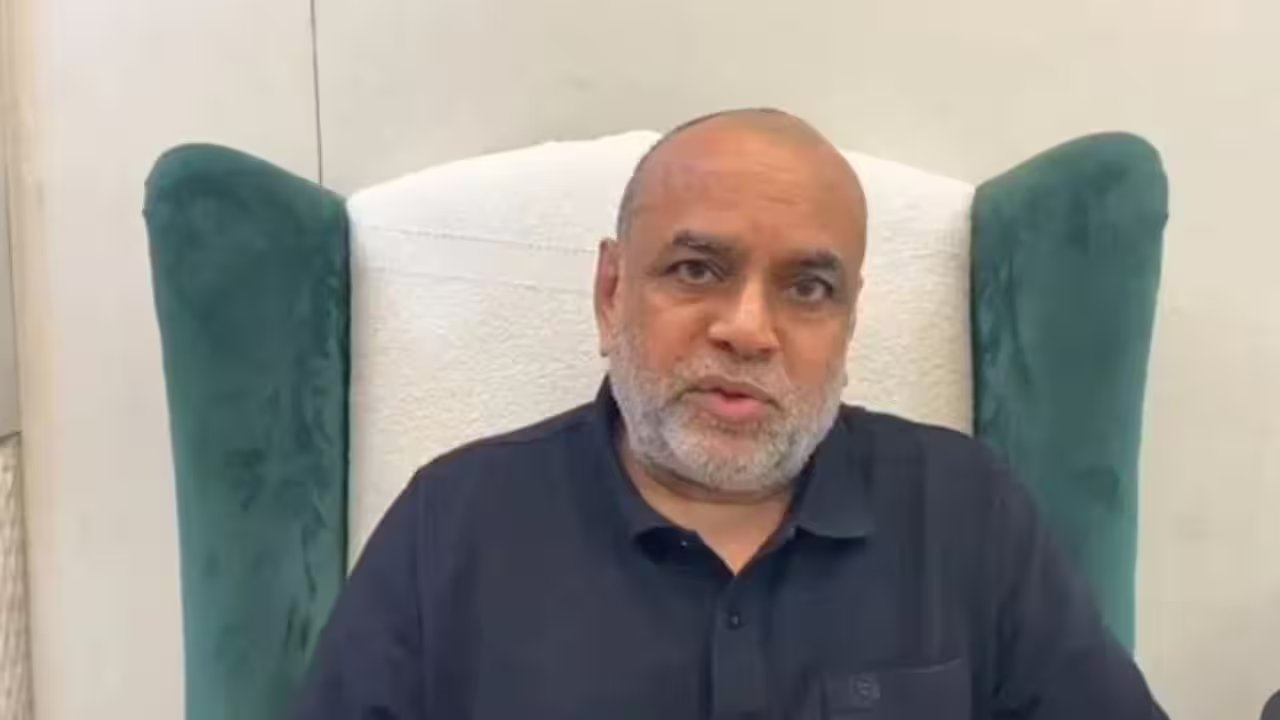
Paresh Rawal drank his own urine for 15 consecutive mornings to heal a shattered knee.
Yet the veteran actor insists the unorthodox folk remedy saved his livelihood. Speaking in an interview with host Saurabh Dwivedi, Rawal recalled the panic that gripped him after a violent fall left him bedridden decades ago. Faced with a potential career-ending layoff, he turned to an ancient, unproven practice known as urophagia — and swallowed his skepticism one glass at a time.
Pain arrived fast on a sodden studio floor. Rawal was filming director Rajkumar Santoshi's action drama Ghatak, starring Sunny Deol, when the production crew handed him a brand-new pair of shoes. The soles lacked traction. During an intense sequence, actor Rakesh Pandey dragged Rawal across a wet mock fish market. While the rehearsals were gentle, the final take surged with sudden momentum. Pandey pulled hard. Rawal slipped instantly on the slick surface, crashing directly onto his patella.
Co-stars Tinnu Anand and Danny Denzongpa rushed to his side and carried him straight to Nanavati Hospital. Rawal lay in the emergency ward convinced his career was over. Attending physicians estimated that his recovery would take two to two-and-a-half months of strict immobilization.
Then came an unexpected visitor. Legendary Bollywood action director Veeru Devgan — father of actor Ajay Devgn — learned of the accident and immediately intervened with an unconventional regimen. Devgan told Rawal that seasoned stunt fighters regularly relied on fresh morning urine to mend broken tissue.
Rawal described the exact instructions passed down by the stunt coordinator:
Drink it first thing in the morning. Don't worry, you won't face any problems. Just don't touch alcohol the night before.
Desperate to get back on his feet, Rawal committed completely. He refused to hold his nose or swallow it in a panicked gulp. Instead, he treated the fluid with clinical deliberation — sitting down each dawn to sip the liquid slowly, exactly like a glass of beer. He maintained the routine without interruption for 15 straight days.
Fifteen days later, orthopedic specialists wheeled Rawal in for a follow-up X-ray. The results stunned the attending surgeon, who remarked on the unusually rapid bone regeneration. Rawal returned to the film set in roughly 45 days, slashing his expected recovery timeline by an entire month.
| Parameter | Medical Assessment | Rawal's Anecdotal Case |
|---|---|---|
| Projected Recovery | 60 to 75 Days | 45 Days (Resumed Work) |
| Prescribed Regimen | Hospital Immobilization | 15-Day Morning Urotherapy |
| Fluid Composition | 95% Water, Urea, Bacteria | Consumed Dawn Catch |
| Supervising Influence | Nanavati Hospital Doctors | Action Director Veeru Devgan |
Medical Context: The human kidneys function as high-precision filtration plants, stripping excess metabolic water, mineral salts, and organic compounds directly out of circulating blood. The resulting fluid is pure waste.
American health network Cleveland Clinic notes that standard human urine contains roughly 95% water. The remaining 5% consists of concentrated metabolic discards: urea, uric acid, creatinine, inorganic salts, and cellular debris. Crucially, contemporary clinical microbiology dispelled the long-standing cultural myth that urine is sterile. Bladder wash fluid naturally hosts resident bacterial colonies as it exits the urethra.
No clinical trial has ever demonstrated that re-ingesting metabolic waste accelerates bone knitting, suppresses soft-tissue inflammation, or repairs severed ligaments. When an individual consumes urine, the digestive system simply forces the kidneys to re-filter discarded toxins, placing unnecessary stress on internal organs.
Rawal's recovery remains a colorful slice of cinema lore — a dramatic personal anecdote driven by natural bodily healing and sheer fortune rather than pharmaceutical efficacy. Anyone recovering from acute orthopedic trauma should stick strictly to evidence-based physical therapy, physician-guided immobilization, and proven clinical care.