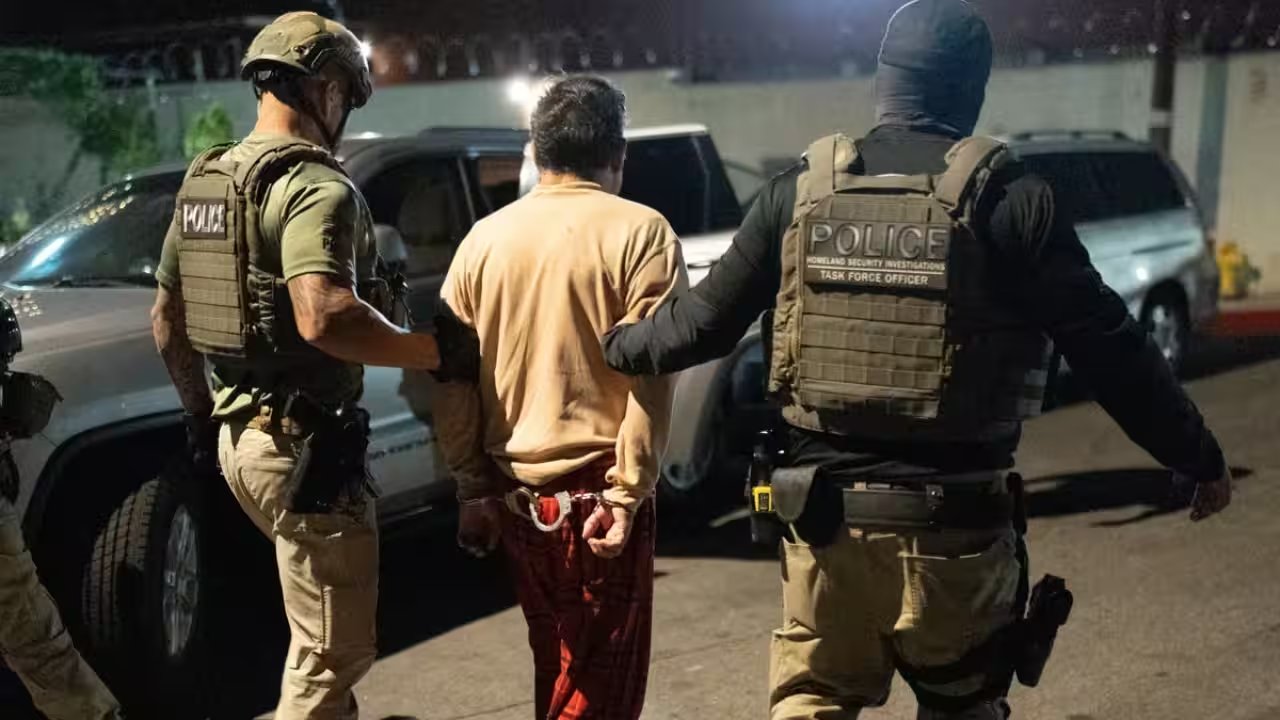
U.S. District Judge Araceli Martínez‑Olguín in Oakland issued a temporary stay on federal investigations into suspected noncitizen voter registration in nine states, keeping the probes suspended until Election Day, 3 November. The order also pauses her own ruling until Friday, 23 October, to give the Department of Justice time to seek an emergency appeal. The nine states—California, Connecticut, Georgia, Missouri, Nevada, New York, Pennsylvania, Washington and Wisconsin—now face a temporary freeze on the program that the Justice Department calls the Unlawful Voter Initiative.
The initiative, unveiled after Senate Minority Leader Chuck Schumer and Senator Alex Padilla released a whistle‑blower report, has relied on databases that officials said were riddled with errors and gaps. According to the Associated Press, The Washington Post and The Guardian, investigators used these flawed lists to flag individuals for on‑the‑ground checks. The judge noted that the field agents had as little as twelve minutes per person to decide whether a voter was legally eligible before launching an inquiry.
Such rushed assessments heightened the risk of wrongly targeting lawful citizens, including recent naturalised voters whose records had not yet entered federal systems. Plaintiffs, a coalition of civic organisations and labour unions, warned that the aggressive checks could chill voter participation across communities. They argued that the presence of federal agents, armed with unverified data, could intimidate eligible voters into staying home.
The Department of Homeland Security defended the program as a necessary safeguard for election integrity, asserting that noncitizen voting poses a widespread threat. DHS officials insisted that the investigations were within executive authority, even as studies show such voting to be extraordinarily rare and never decisive in any election. The court, however, emphasized that the government must not ignore state verification systems or conduct broad door‑to‑door probes on unconfirmed lists.
The temporary stay means that existing legal standards remain in effect while the Ninth Circuit reviews the lower‑court order. The Justice Department has already filed an emergency appeal, and a hearing is slated for the week of 23 October. Early‑voting deadlines in several affected states loom, adding urgency to the appellate decision.