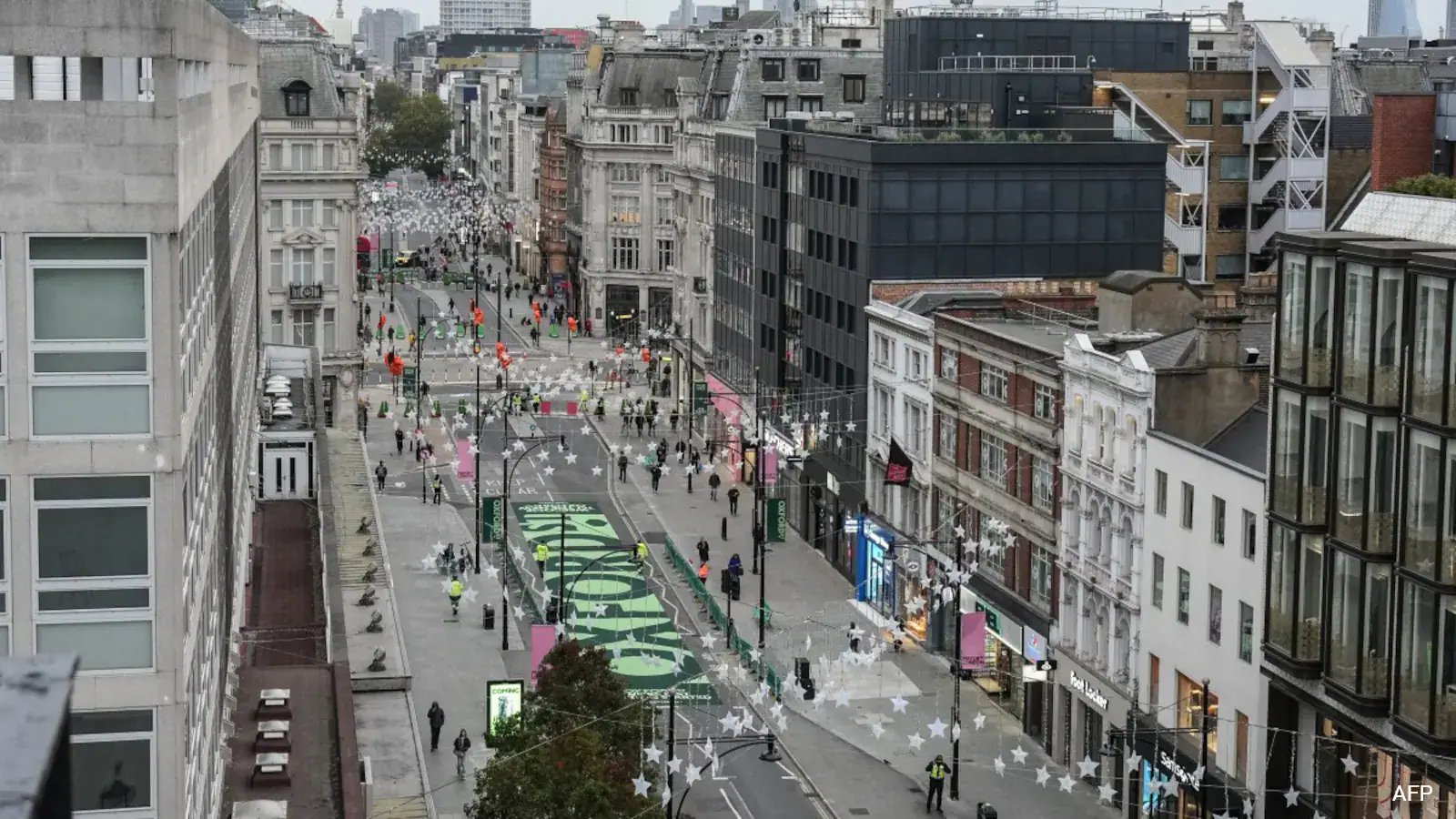
Cars, buses, taxis, and bicycles vanished from the Oxford Street corridor between Orchard Street and Great Portland Street on Monday, October 26. Transport for London executed the first phase of a pedestrian-only zone, immediately freeing up space for the half-million people who flock to retailers like Selfridges and Zara every day. The restriction is absolute: no pedicabs, no scooters, no engines.
This isn't just a cosmetic change. Mayor Sadiq Khan framed the move as a rescue mission for a struggling shopping destination. The plan includes planting more than 50 trees and installing over 100 seats, with two public squares scheduled for installation in 2027. The goal is simple but ambitious: make walking the primary mode of movement before you reach the tube.
Delhi watched this closely. In 2021, the city redeveloped a 1.3-km stretch of Chandni Chowk between the Red Fort and Fatehpuri Masjid into a pedestrian corridor. Local traders there told NDTV that the shift to red sandstone paving and restricted motorised access (9am–9pm) cut air pollution and boosted footfall. It proved that reclaiming street space from traffic works, even in dense, chaotic urban settings.
But the reception in London is mixed. Reddit users on r/london argued the change came years too late, with some demanding the entire street be cleared of vehicles. Others offered practical, if odd, suggestions like installing pavement escalators to handle bulky shopping bags. The debate highlights a friction: shoppers want space, but they also want convenience.
The next few months will decide if Khan's bet pays off. Officials are monitoring visitor numbers and spillover traffic on nearby roads. If the Oxford Street experiment mirrors the success of Chandni Chowk, expect more Indian cities to follow suit. If it fails, the 50 trees planted in 2027 might be the only lasting legacy.