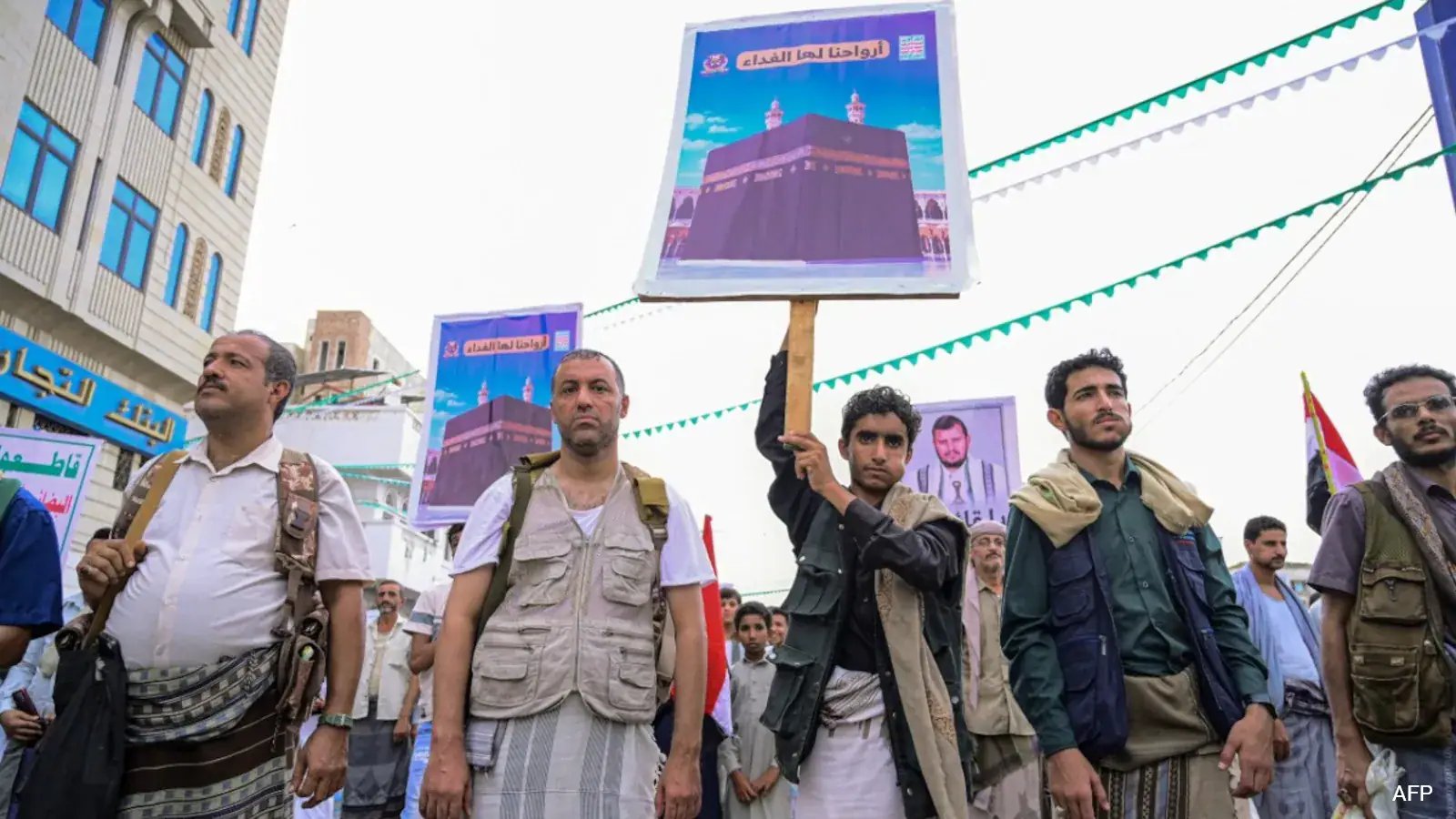
Mahdi al‑Mashat, the Houthi president, posted a thread on X that linked Saudi officials who sent the Kaaba’s drape to Jeffrey Epstein’s private island with a plot to corrupt Mecca. The claim sits on a thread of accusations that the Houthis have been weaving for months, turning the Islamic world’s most sacred site into a battlefield of words. By framing the Saudi crown prince as complicit in Epstein’s “Zionist incubator,” they paint Riyadh as a pawn of Western power.
Mohammed al‑Basha, founder of the risk‑advisory firm Basha Report, told the New York Times that the group’s communications network now runs TV channels, radio stations, a dozen websites, and a legion of unofficial social‑media accounts. The network spreads stories that mix religious rhetoric with anti‑Western conspiracy theory, often echoing Iran’s own messaging.
The use of Epstein’s name, a shorthand for U.S. and Israeli corruption in Houthi circles, is not accidental. Al‑Basha explained that “axis of resistance” groups are obsessed with the Epstein files, which they claim reveal a “Zionist incubator that trains leaders and elites.” The reference gives the Houthis a convenient scapegoat to rally their followers around a shared enemy.
Saudi Arabia has not taken the bait quietly. Earlier this week, Riyadh’s foreign ministry blasted the Houthis for allegedly launching a drone over the holy cities of Mecca and Medina, calling the act a “heinous attack” that threatens the faith. The Houthis denied the claim, but the Saudi response signals that the kingdom is prepared to counter the narrative, possibly with its own media blitz.
The next few weeks will see whether the Houthi propaganda surge translates into a diplomatic showdown or a flare‑up in the already volatile Red Sea corridor. Analysts warn that the mixture of religious sentiment and conspiracy could further destabilise an already fragile region.