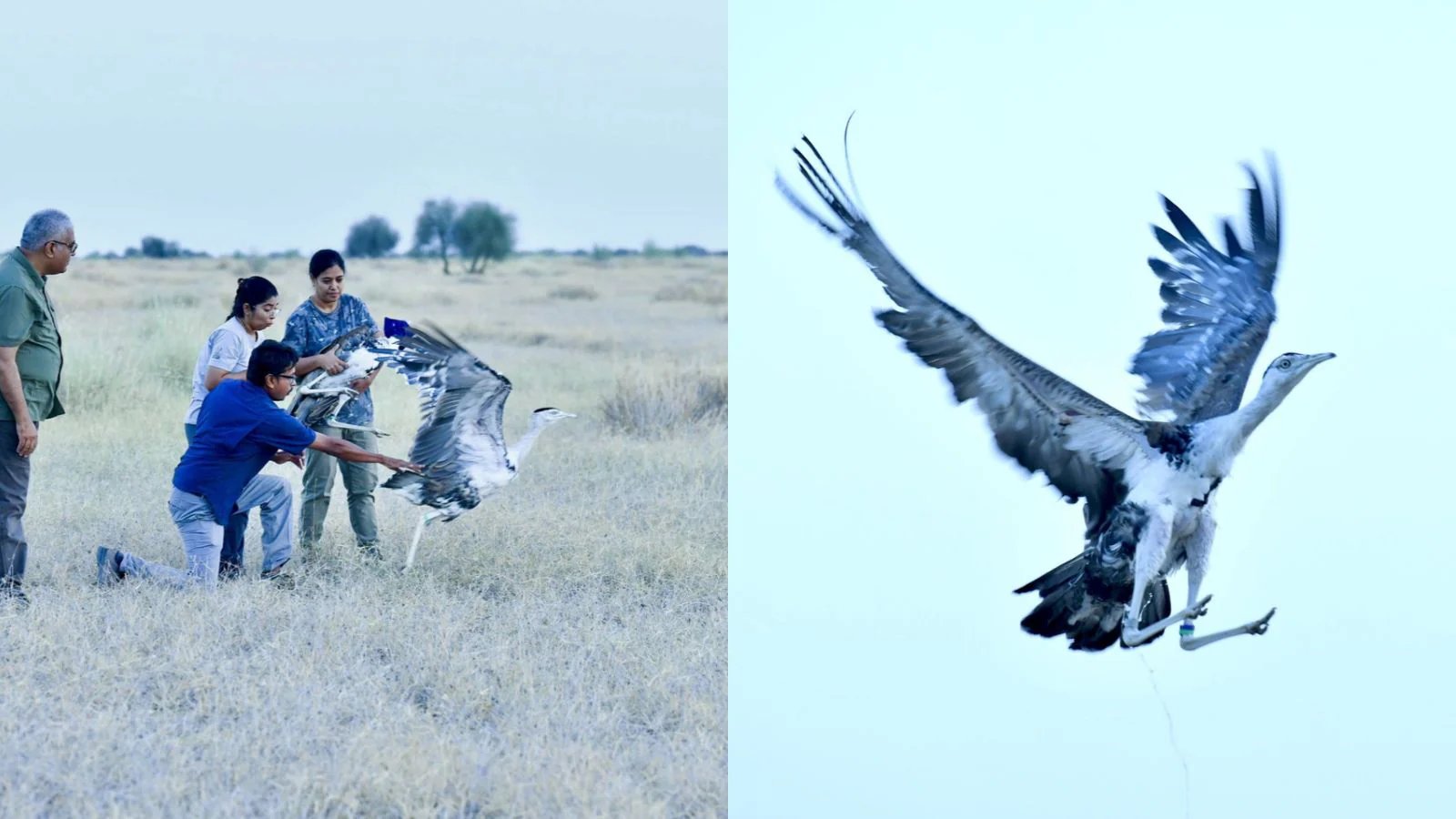
Bhupender Yadav, the BJP MP from Sam, posted a tweet on Oct. 4, 2026 that read: 'Two male Great Indian Bustards have taken flight in Sam, Desert National Park, Jaisalmer, today morning.' He thanked PM Narendra Modi for his support.
The release follows a decade‑long effort by the Rajasthan Forest Department, the Ministry of Environment, Forest and Climate Change, and the Wildlife Institute of India. The program currently keeps 97 bustards in conservation centres at Sam and Ramdevra. Forty of them hatched from wild eggs, 57 were bred in captivity. In 2025 the team produced 24 live chicks, and 29 in 2026, from which 11 were earmarked for release.
A new review in the journal "Indian Birds", authored by Prof Ghazala Shahabuddin and ten other ornithologists, flags unprecedented pressure on India’s avifauna. It lists habitat loss, monoculture plantations, rapid urbanisation, pollution, illegal hunting, trade, climate change, diseases, sand mining, wind farms, and power transmission lines as drivers of decline.
The paper highlights that at least ten Great Indian Bustards have died in collisions with power lines since 2017, and warns that wind farms are becoming a new threat. It also cites the catastrophic collapse of vulture populations caused by diclofenac‑contaminated livestock carcasses, which killed over 97 % of several species.
With the first two birds now airborne, conservationists plan to monitor their movements and expand releases as part of a broader reintroduction strategy. They will work to safeguard remaining habitats while coordinating with development projects to keep the species’ future secure.