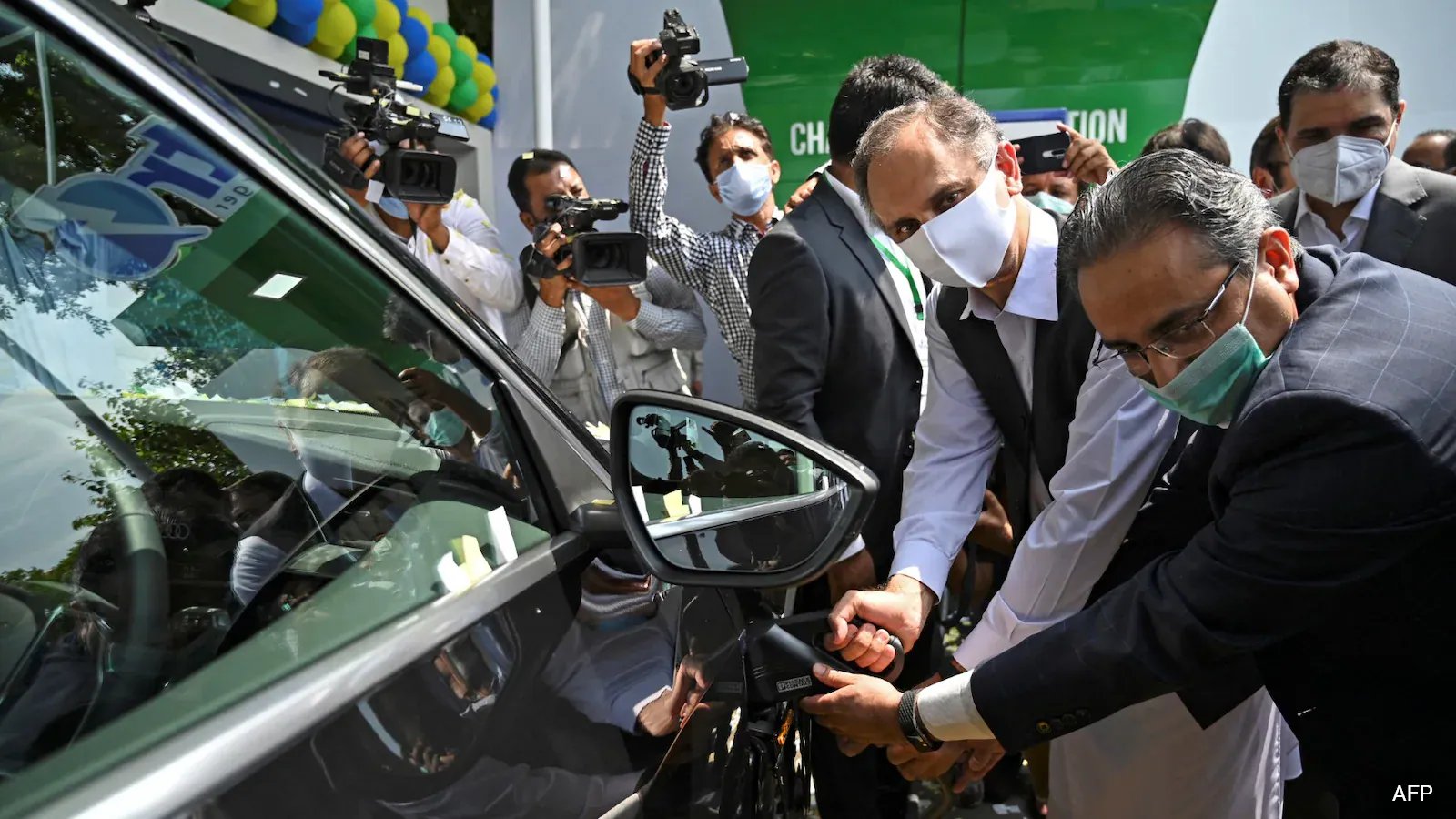
For the first time, the average Pakistani driver can recoup the upfront cost of an electric car in about 12 to 18 months, says Haroon Akhtar, adviser to the prime minister on industries and production. That’s a dramatic drop from the typical 3‑4 year payback on most models, driven by the sharp 54% hike in petrol prices since February.
The government’s 2024 EV policy aimed for 30% of new registrations to be electric by 2030. With sales of electric motorcycles and scooters tripling last year and electric cars doubling, the target looks closer than the calendar suggests. It’s a sign that the market is moving faster than the policy timeline.
On the road, the shift is visible: electric scooters now dominate the city lanes, while compact electric cars are appearing at popular sales outlets. Compared to a gasoline car that burns roughly 15 litres per 100 km, these electric models offer zero tailpipe emissions and a running cost that’s a fraction of the fuel bill.
Policy makers are tightening the screws. A fresh auto policy draft, expected in the cabinet within two weeks, could introduce tax incentives that shave a few lakh rupees off the price of EVs, narrowing the gap with conventional vehicles. The draft is being shaped by negotiations on tariffs and export conditions, indicating a concerted effort to make EVs more accessible.
The ripple effects reach the balance sheet. Petroleum accounted for about a quarter of Pakistan’s imports, amounting to $16.9 billion through June 2026. A surge in fuel prices now threatens the trade deficit and puts upward pressure on the currency and inflation, making the EV shift a potential economic lifeline.
Looking ahead, the new policy is slated for cabinet approval in the coming weeks, with the expectation that incentives will roll out in Q3 2026. Buyers should watch for the first wave of tax rebates and the expansion of charging infrastructure, which will be crucial to sustain the momentum seen in sales figures.