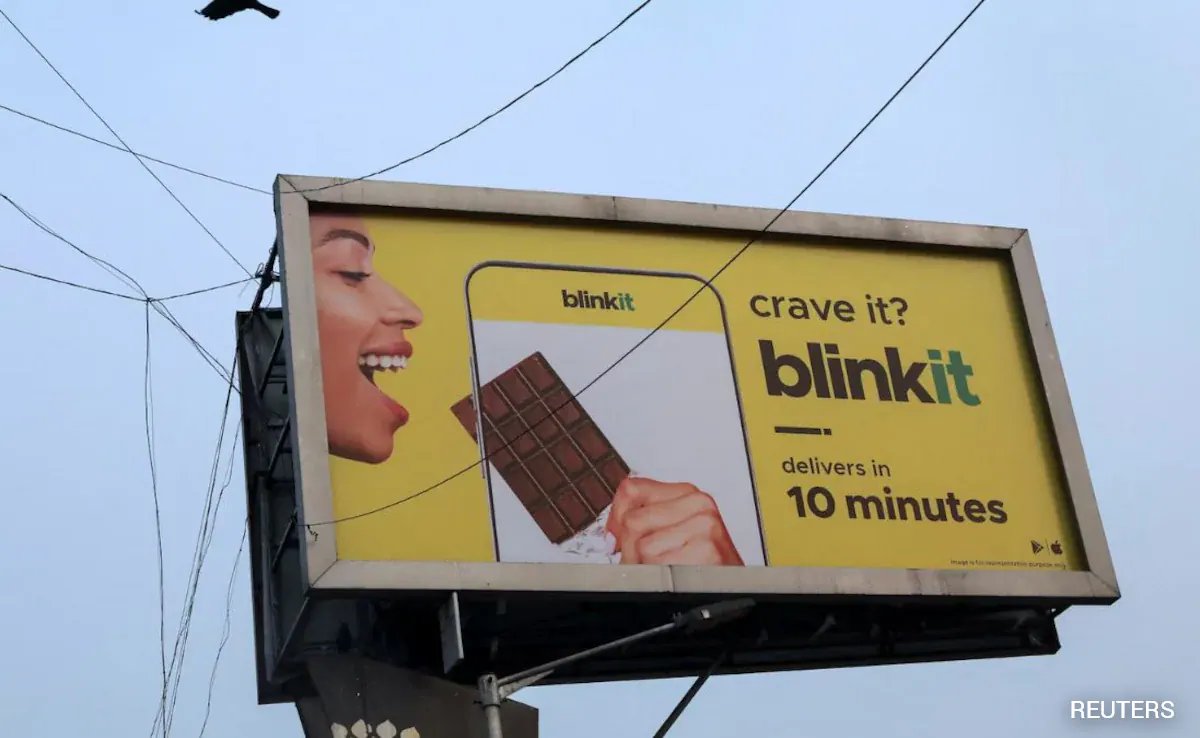
The Maharashtra Food and Drug Administration (FDA) pulled the plug on Blinkit's food license at its Bhiwandi facility on Wednesday. The suspension follows a rigorous October 21 inspection that exposed a massive regulatory gap: the company failed to provide end-to-end traceability or proof of destruction for 18,405 expired, damaged, or rejected food items. The value of this unsaleable inventory? Over ₹32.71 lakh.
The regulator isn't just pausing operations; it's taking the matter to the police. The FDA has lodged a First Information Report at the Bhiwandi Taluka Police Station against key Blinkit personnel, including a whole-time director, facility managers, and multiple scrap disposal vendors. The charges include cheating, criminal conspiracy, and a violation of Section 59(i) of the Food Safety and Standards Act, 2006. The core allegation is that this expired stock was being diverted for financial gain rather than safely destroyed.
This isn't an isolated incident. Bhiwandi is the beating heart of Western India's logistics, housing mega-fulfilment centres for giants like Amazon, Swiggy, and Zomato Hyperpure. Under Commissioner Tukaram Mundhe, the Maharashtra FDA has been on a war path against this specific loophole. Recent operations have targeted the dark stores and waste-disposal networks that reroute rejected stock back to local traders and discount shelves. Law enforcement has already booked 10 other individuals linked to similar diversion schemes.
The immediate consequence is the cessation of all licensed food operations at the Bhiwandi premises. Blinkit faces a criminal trial and potential permanent blacklisting if the court upholds the charges of conspiring to sell unsafe products. For the quick-commerce giant, this is a direct hit to its supply chain in one of Asia's busiest logistics hubs.