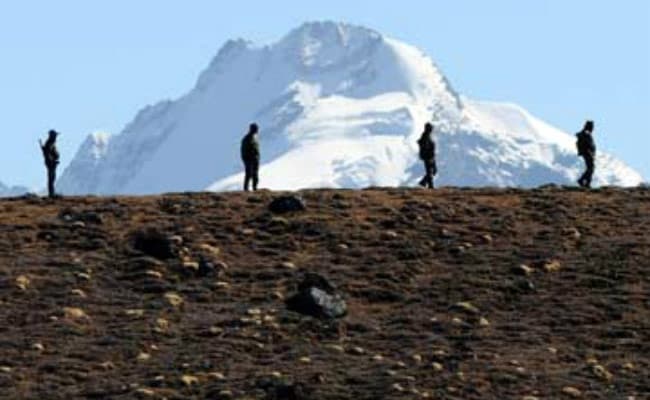
On 23 October, ITBP Director General Shatrujeet Kapur told troops in Rajasthan that several locations in Arunachal Pradesh had seen face‑offs with Chinese PLA soldiers. He urged readiness and unveiled the newly raised Shaurya commandos, a combat team trained for high‑altitude engagements. Kapur described the China front as the most difficult border for India, citing modernisation of the PLA and the growing role of drones in conflict. He added that India would adopt drone‑and‑anti‑drone systems to counter the technological edge. The remarks came as the LAC watch list—3,488 km long—remains a flashpoint after the 2020 Galwan clash.
MEA spokesperson Randhir Jaiswal said the border would be disturbed when Chinese forces diverge from established patrolling patterns, echoing the ministry’s earlier statement. He declined to detail the face‑offs but reiterated that India and China use diplomatic and military mechanisms to prevent misunderstandings. The spokesperson also hinted at a review of border protocols slated for early November.
Earlier this month, Chief of Defence Staff General NS Raja Subramani had called the situation along the LAC stable, a stance that contrasts with Kapur’s warning. External Affairs Minister S Jaishankar, speaking at a Bloomberg forum, said peace and tranquility are essential to normalising ties and warned that any disturbance would carry consequences.
Despite the tensions, political leaders have reset contacts, with Modi hosting Xi Jinping in a series of high‑level meetings. Trade between the two powers has risen, suggesting economic interdependence remains strong even as security concerns linger.
In the remote village of Tawang, residents report increased patrols and a sense of unease, illustrating how distant border skirmishes ripple into everyday life.