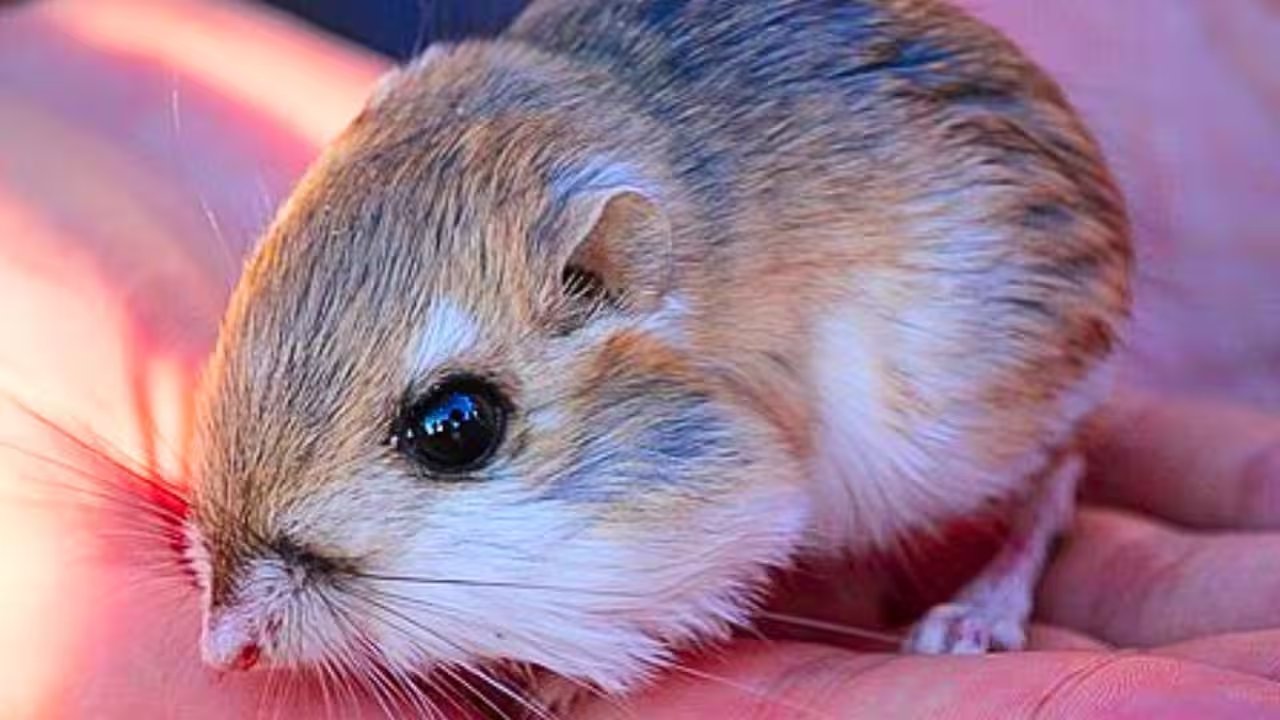
The 13‑year study, published in Oecologia, monitored vegetation changes after the rodents were removed from a transition zone between desert scrub and grassland.
Researchers argue that the absence of the rats reduced soil disturbance and lessened predation on larger seeds, allowing those seeds to survive and germinate more readily.
The resulting spike in tall annual Aristida adscensionis and perennial Eragrostis lehmanniana altered plant cover, which in turn shifted foraging patterns of other rodents and bird species in the plots.
Ecologists now plan to use these insights to guide restoration initiatives across the Chihuahuan Desert and to investigate the broader role of keystone species in arid ecosystems.