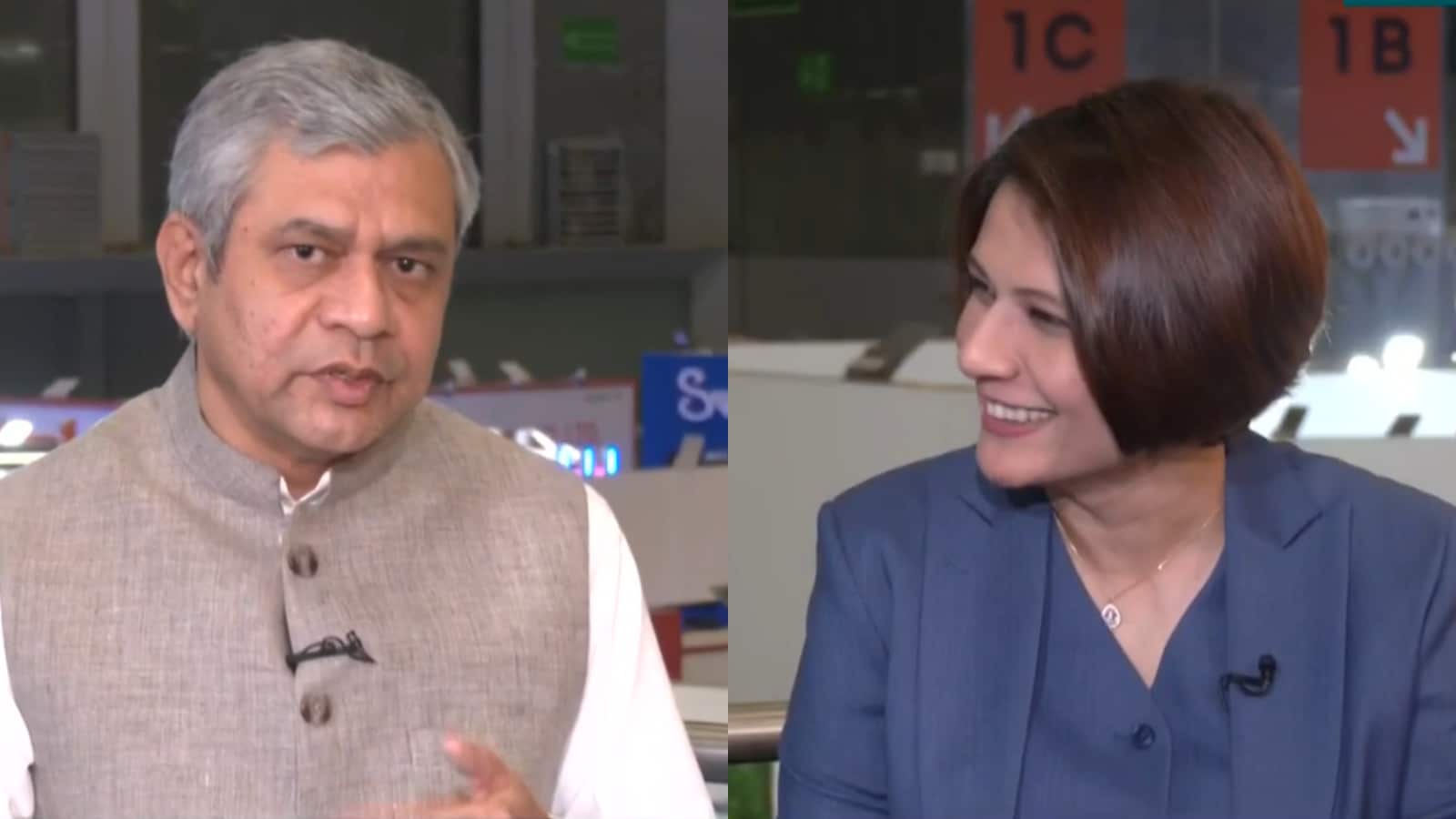
Ashwini Vaishnaw, the Union Minister for Electronics and Information Technology, issued a stark warning to semiconductor stakeholders: expect resistance. Speaking to NDTV Managing Editor Padmaja Joshi, Vaishnaw stated that India’s entry into the chip-making arena has already drawn the attention of global competitors who will not cede ground willingly. “This is a strategic industry. People will not give in so easily,” he said, urging companies to assume hostile intent from the outset.
The minister drew a direct parallel to the chaos surrounding Apple’s iPhone assembly rollout in India. He recalled incidents where electricity wires were cut, food poisoning cases were staged, and international outlets like Reuters ran stories about women being barred from factories. “There is an attempt to sabotage in every way,” Vaishnaw noted. Those who opposed India becoming a manufacturer then tried every trick in the book, and he expects the same playbook to be deployed against chipmakers.
The threats are not hypothetical. Vaishnaw listed specific vectors of attack: cyber intrusions on infrastructure, coordinated disinformation campaigns, and physical disruptions to supply chains. “We have to be prepared for this,” he added. The semiconductor sector, critical for everything from smartphones to military hardware, sits at the intersection of national security and economic sovereignty, making it a prime target for those who benefit from the current status quo dominated by the US, Taiwan, and South Korea.
India has been aggressively building its ecosystem to counter this dependency. The government organized SEMICON India from September 17 to 19, 2026, drawing 300 international companies from 52 countries. During the event, 56 MoUs and strategic initiatives were signed, signaling a massive push toward self-reliance. But Vaishnaw’s warning suggests that the battle is not just about building fabs; it is about protecting them from a hostile world that views India’s rise as a threat.