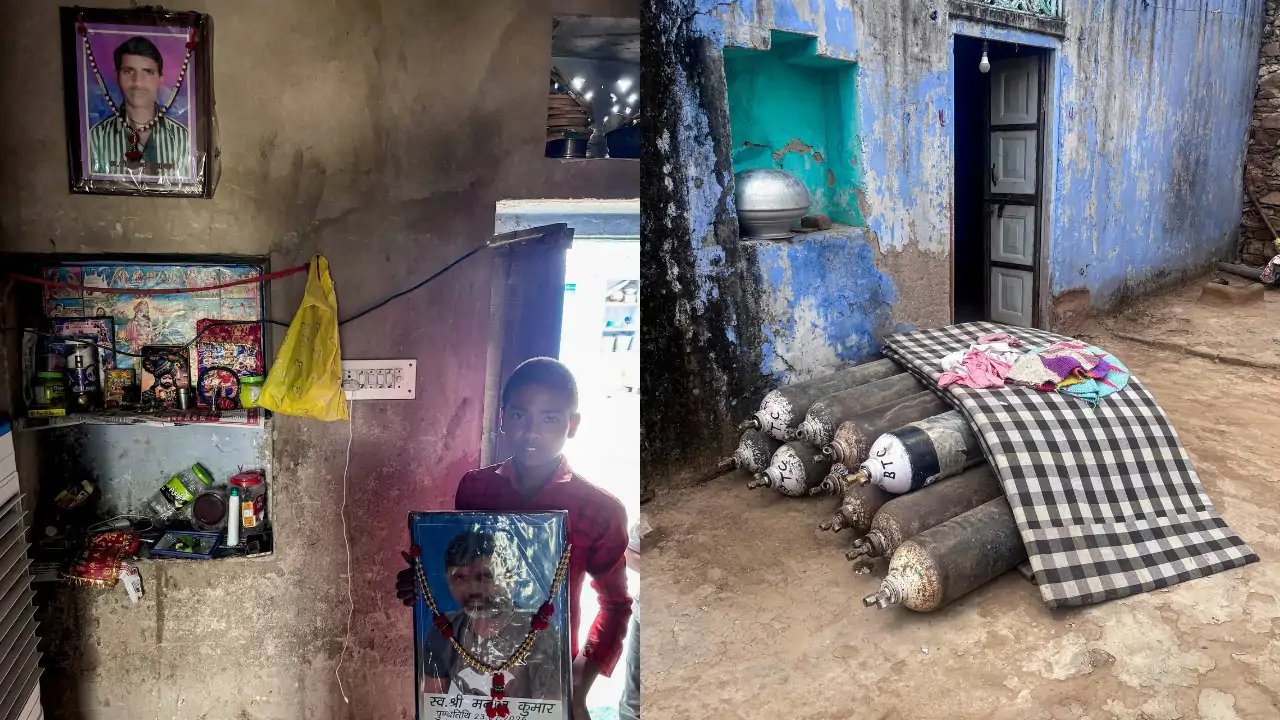
The Supreme Court‑appointed panel, tasked with assessing the Aravalli mining crisis, did not stop at Syalodra village on August 11, even though the area has recorded over 50 silicosis deaths in the past decade. The omission came as the panel was expected to map ecological boundaries and weigh the impact of stone‑crushing operations that churn fine silica dust into the air.
Manjeet, a 32‑year‑old labourer, died last week after chronic inhalation of silica dust at a local stone‑crushing unit. His wife, Manisha, has spent her life savings on oxygen cylinders, now costing roughly ₹1,000 each, and still has no government support because the certification process requires multiple hospital visits that many families cannot afford.
A 2023 study published in the Journal of Occupational and Environmental Medicine found 23,436 certified silicosis cases and 6,876 deaths across Rajasthan, yet experts like Kailash Meena say the true toll is higher. Data from the state portal show that 4,977 cases, including 741 deaths, were recorded in districts with dense stone‑carving activity, but the certification process—requiring a chest X‑ray, doctor’s review, and paperwork—often stalls or cancels registrations, leaving families without aid.
Activists in Syalodra, including Sanjay, 43, whose brother died in July, argue the panel’s omission is part of a systemic neglect. “We do not have the money to move elsewhere,” he says, pointing to the 12 oxygen cylinders his brother used daily before he passed.
The Supreme Court refused to extend the panel’s original August 31 deadline by six months, setting a new due date of November 30. With the report’s release imminent, activists are already preparing a petition to force the court to revisit the deadline and demand community visits.
The November 30 report will determine whether new ecological boundaries will be drawn and whether the state will be required to provide compensation or migration options for the most affected villagers. The outcome could trigger a broader legal challenge to the mining regulations that have long plagued the Aravalli region.