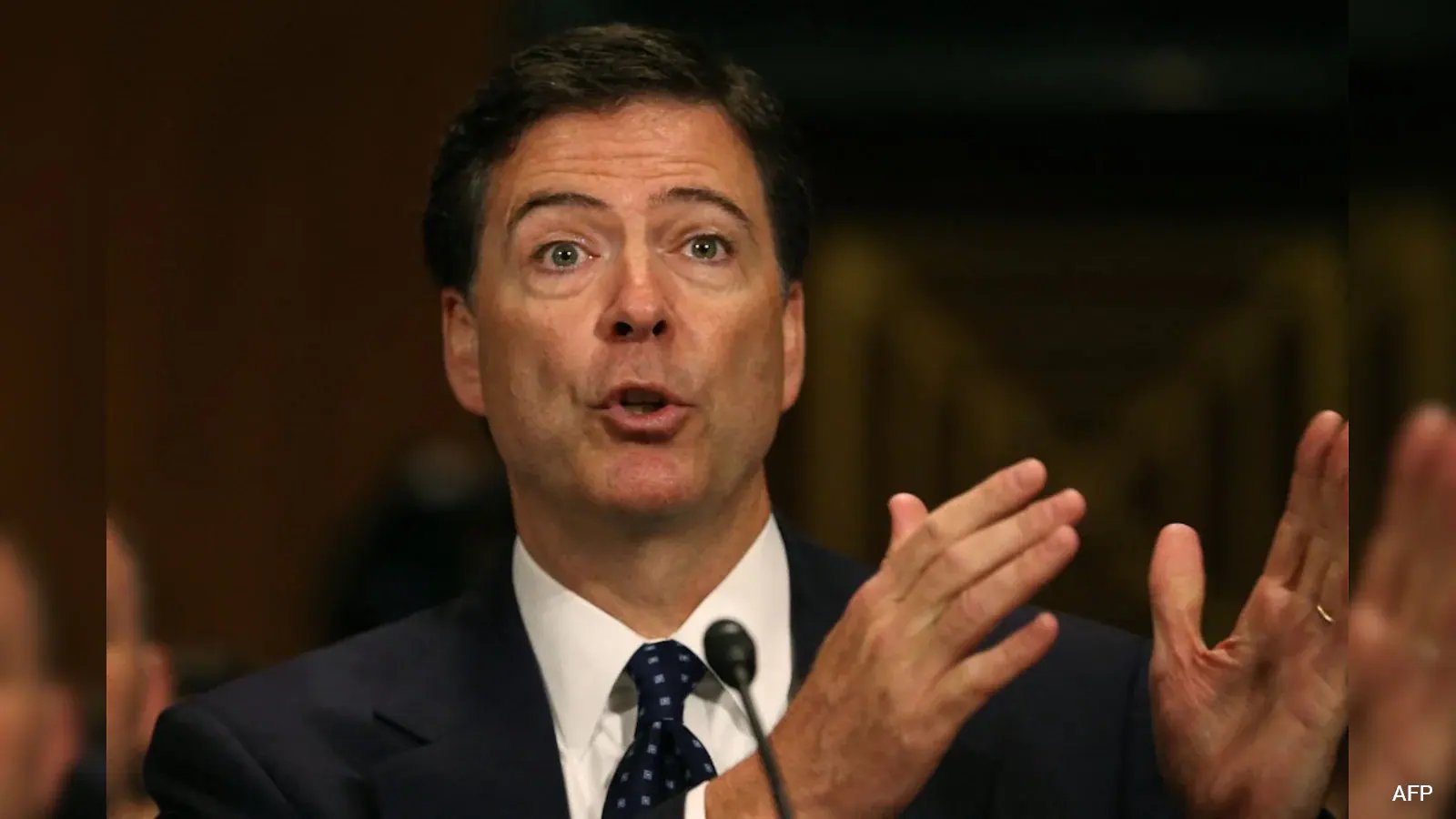
On Monday, a federal complaint unsealed in Washington charged former FBI director James Comey with disclosing national defence information in October 2016 to a person not entitled to receive it. The indictment marks the third criminal case against the ex‑director, following a September 2025 charge of making false statements to Congress and an April 2025 indictment for allegedly threatening President Trump in an Instagram post.
The former director’s attorney, Patrick Fitzgerald, said the charges were investigated during the first Trump administration and that no prosecution was pursued then. The Justice Department maintains that the post showing "86 47" spelled in sea shells constitutes a threat to the president, interpreting "86" as a kill code and "47" as Trump’s number.
Comey has denied any wrongdoing, calling the latest indictment "appalling abuse of the Department of Justice" and asserting his continued innocence. He delivered the remarks in a video posted on his Substack account and added that he is "not afraid of these people".
The unsealing of the complaint came just hours after a federal judge ruled that the July 2025 firing of Comey’s daughter, Maurene Comey, was unlawful. The judge ordered her reinstatement, citing a deprivation of due‑process rights, and the ruling has intensified scrutiny of the DOJ’s handling of politically sensitive personnel decisions.
The new indictment follows a pattern of legal battles that have kept Comey in the spotlight for years, and it could reopen a long‑running dispute over the agency’s conduct. The complaint is now pending before the U.S. District Court for the District of Columbia, where a judge will decide on the merits.