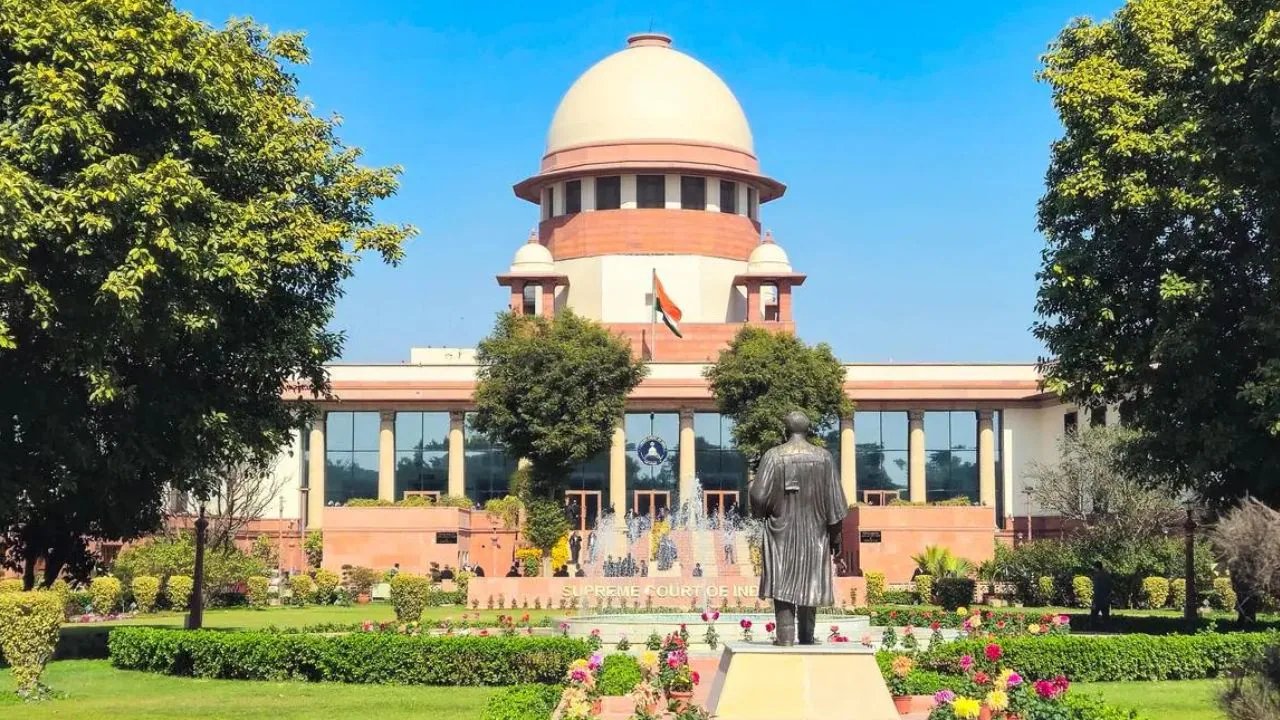
Justice Dipankar Datta delivered the remarks during a hearing of a life‑convict whose death sentence had been commuted, arguing that India’s “forgiving nature” in the Supreme Court is fueling a crime surge.
He invoked a 2018 case where a man, after being handed a life term for raping and murdering his daughter, was later released on parole and killed his wife in front of his younger child; the court then commuted his death sentence to life again, illustrating a loophole he says must close.
Statistical reports show that crimes classified as “rare of rare” have risen by 12% in the last three years, with homicide rates climbing to 6.8 per 100,000 population in 2023, a sharp uptick that lawmakers say challenges the judiciary’s moral calculus.
Legal analysts, including counsel Ashok Kumar, caution that the bench’s stance could pressure higher courts to revisit the doctrine, potentially tightening the criteria for commutation or revoking life‑sentences entirely.
The next hearing on the case is scheduled for May 18, 2024, where the court will decide whether to uphold the life sentence or reinstate the death penalty, a decision that could set a new precedent for future commutations.