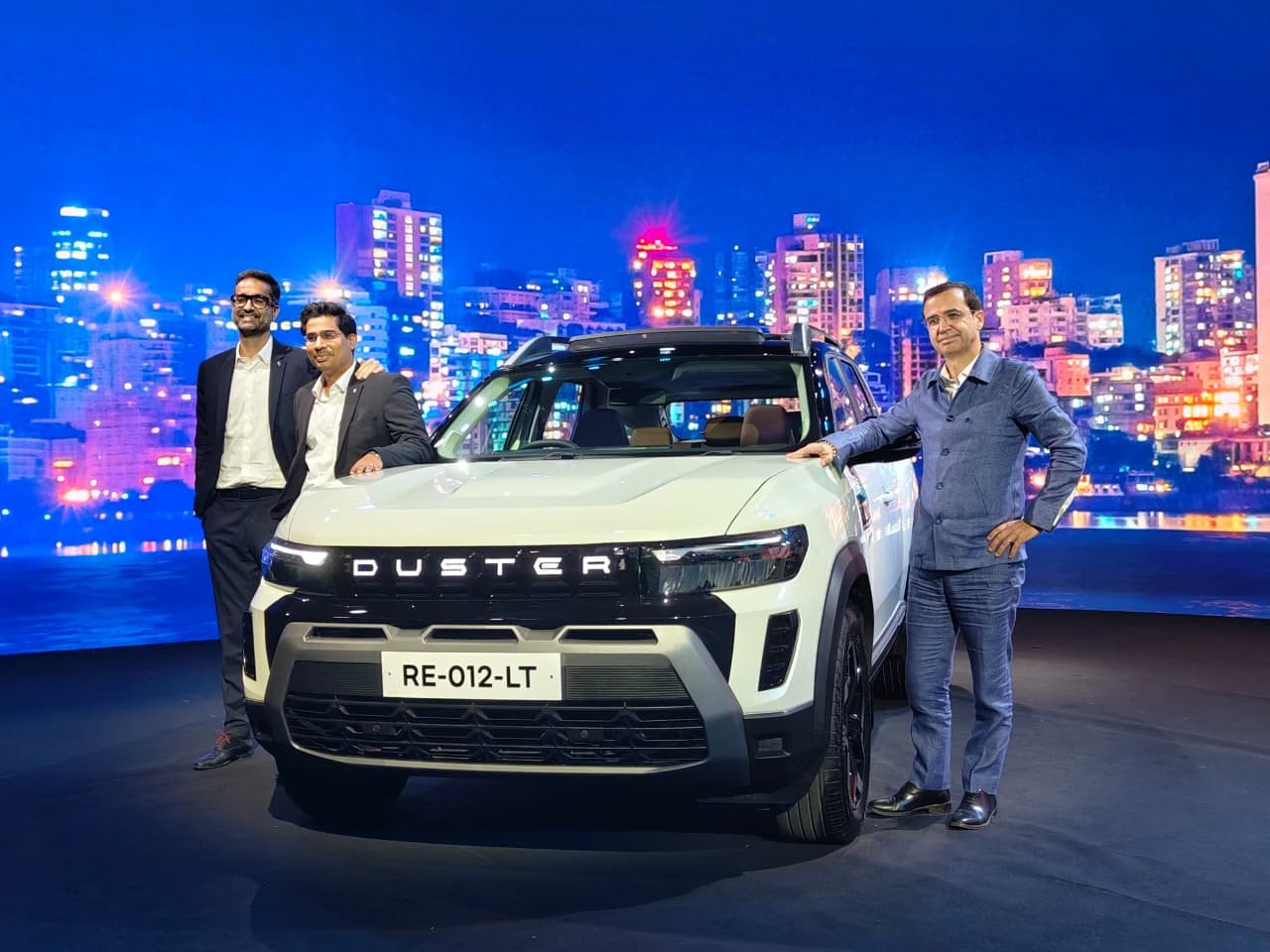
If you’re eyeing a midsize SUV that feels like a step toward the future, the new Duster Hybrid E‑Tech 160 might just be the ticket. It’s the first time Renault has offered a power‑train that can talk to both petrol lovers and eco‑conscious buyers.
The 1.8‑litre petrol engine teams up with two electric motors and a modest 1.4‑kWh battery to deliver a combined 160 PS. In practice that means a smoother acceleration curve and a reported 29 km per litre fuel efficiency from ARAI tests. The hybrid is positioned as a diesel‑alternative, aiming to capture the segment that values both power and economy.
On the road, the Duster now sits alongside Hyundai’s Creta, Kia’s Seltos, Maruti Suzuki’s Grand Vitara, and Toyota’s Urban Cruiser Hyryder—all of which offer a mix of petrol, diesel, and now hybrid options. The competition has intensified as manufacturers broaden their engine line‑ups, making the choice of powertrain more critical than ever. Renault’s earlier two‑engine offering covered only about 20% of the market’s preferences; the new hybrid could lift that coverage to 80‑90%, a leap that could change the buying calculus.
The shift reflects a broader trend in India, where buyers are no longer satisfied with a single fuel type. While CNG and full‑electric variants are still on the horizon, the hybrid is seen as a bridge between the old diesel‑centric market and the emerging electric future. If customers start to appreciate the hybrid’s efficiency and performance, it could account for more than half of Duster sales.
The E‑Tech 160 hit showrooms in late April 2026 and is already rolling out to major cities across the country. Keep an eye on its sales momentum in May and June; a strong uptake could signal a new benchmark for how power‑train diversity translates into volume.