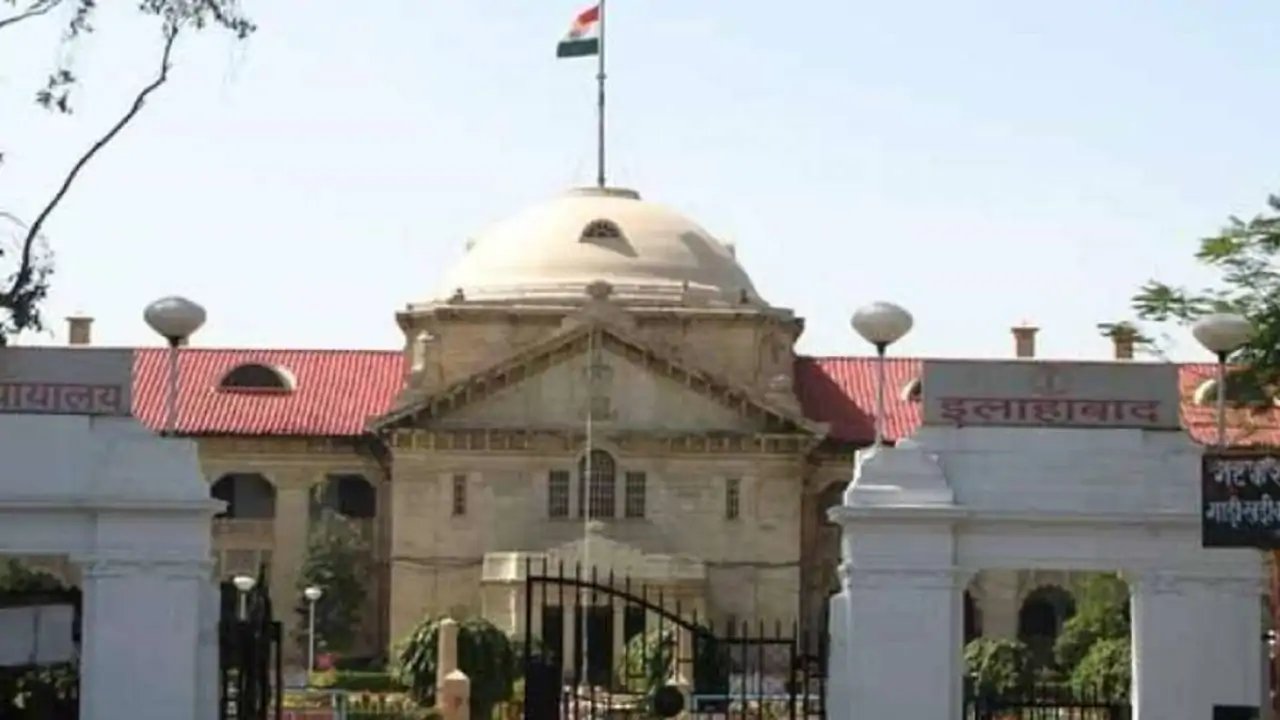
Justice Sandeep Jain of the Allahabad High Court didn't just quash the orders; he walked into the arena and slapped the Uttar Pradesh bureaucracy with a financial penalty. On September 10, the court awarded Rs 50,000 in punitive damages to petitioner Abhishek Tyagi, explicitly stating the state could claw this money back from the salaries of the officers involved. It’s a rare move that shifts the burden of arbitrary policing from the citizen to the cop.
The case stems from two criminal complaints filed against Tyagi, separated by a three-year gap. Despite the ACP, Ghaziabad, ordering him to report to the police station every second and fourth Saturday for six months, the court found no evidence of habitual offending. Justice Jain noted that branding someone a 'goonda' based on one or two isolated incidents violates the core spirit of the Uttar Pradesh Control of Goondas Act, 1970.
But the judge’s frustration ran deeper than this single case. He observed that the bureaucracy had “deliberately not noticed” the court’s consistent rulings against such shortcuts. The order was dismissed by the Commissioner, Meerut Division, on December 10, 2025, just days before the High Court intervened. The judge called the current practice a “tool of oppression,” warning that continued illegal orders would trigger further punitive damages.
For Tyagi, the relief is immediate: the restraining orders are quashed, and he walks away with a cash settlement. For the UP police establishment, the message is stark. The next time an officer signs an arbitrary order under the Act, the financial hit lands on their paycheck. The state government now has the legal green light to deduct the Rs 50,000 from the concerned officers’ salaries.