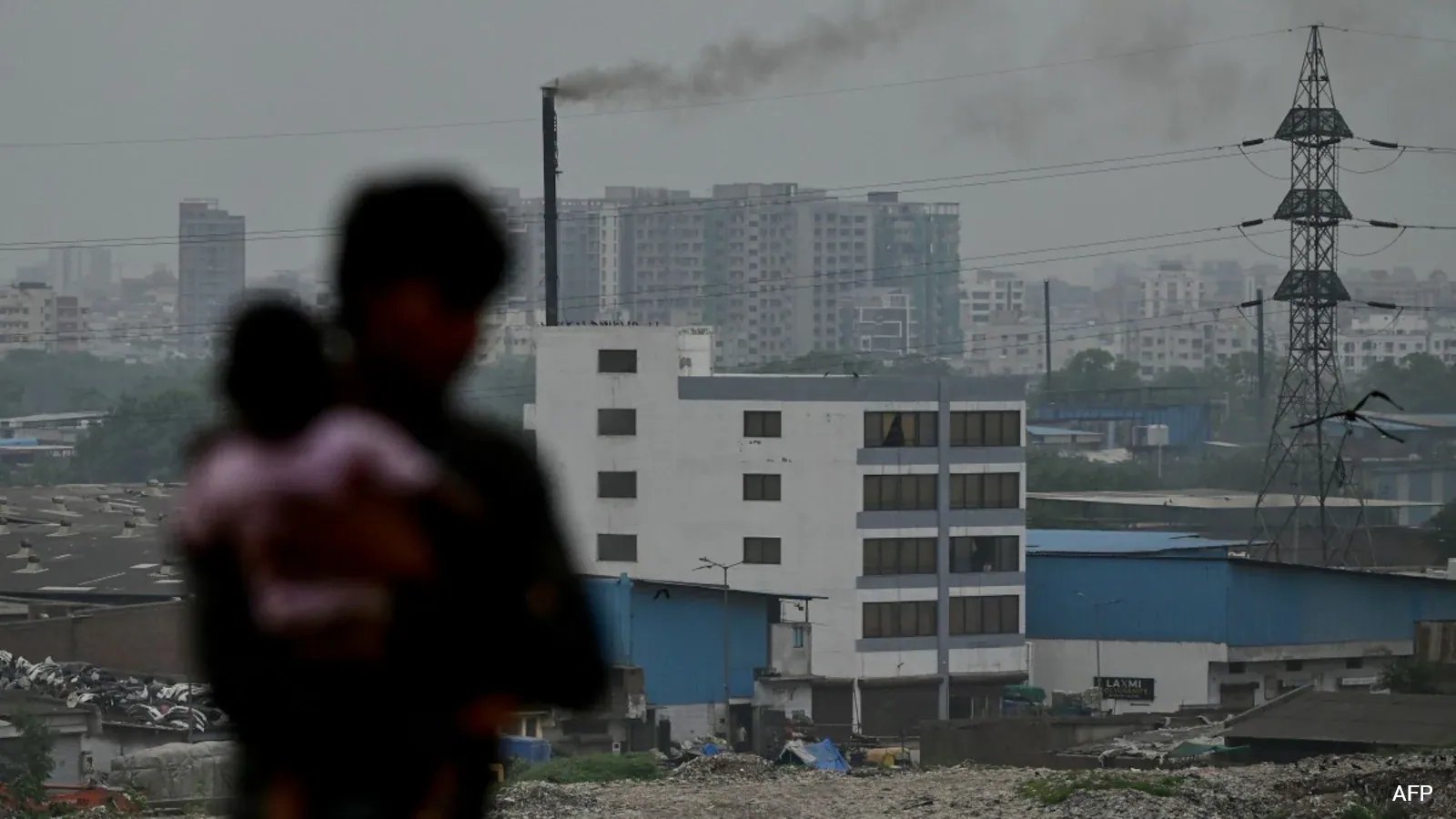
The Commission for Air Quality Management (CAQM) convened its 139th Enforcement Task Force on September 8, 2026, after a 15‑day blitz that saw 150 inspections across the National Capital Region. Ninety‑eight of those targeted factories, 45 focused on un‑retrofitted diesel generators, and 35 examined construction sites, each probing fuel use and dust‑control measures that routinely exceed permissible limits. The agency flagged 25 generators for immediate sealing, and announced closure orders for three construction projects still violating dust‑mitigation protocols.
In Nuh, Haryana, a joint drive on September 3 saw eight CAQM flying squads, backed by HSPCB officers and local police, sweep 35 premises in a single day. While thirteen units passed the audit, seven locked themselves out—an act the watchdog labeled an ‘inspection evasion’. Those sites are slated for a follow‑up check, and six of them face environmental compensation fines after the agency filed formal hearings.
The same day, CAQM’s Operation Clean Air turned its sights on Hapur, Uttar Pradesh, where seven teams inspected 22 industrial units. Sixteen of those failed to meet emission standards, with glaring violations like un‑operational OCEMS, wet‑scrubber bypasses, and wood‑fired pits. As a result, twelve show‑cause notices were issued, two plants were sealed by the UPPCB, and two suspect illegal units were denied entry, prompting a stern warning from the board.
Following the peak of the winter‑pollution season, CAQM has pledged to ramp up enforcement. The agency urged state pollution boards and municipal bodies to coordinate more closely, monitor high‑priority sectors round‑the‑clock, and leave no room for violations. The next phase will begin with a Delhi‑based briefing on September 15, where CAQM will discuss extending its ‘no‑tolerance’ policy to the entire NCR.
For residents of the NCR, the crackdown signals a shift in how regulators tackle the toxic mix that thickens each December. A family in Delhi’s outer ring, who had to wear masks all day for the past month, said the new inspections gave them hope that the air might clear before the next winter.