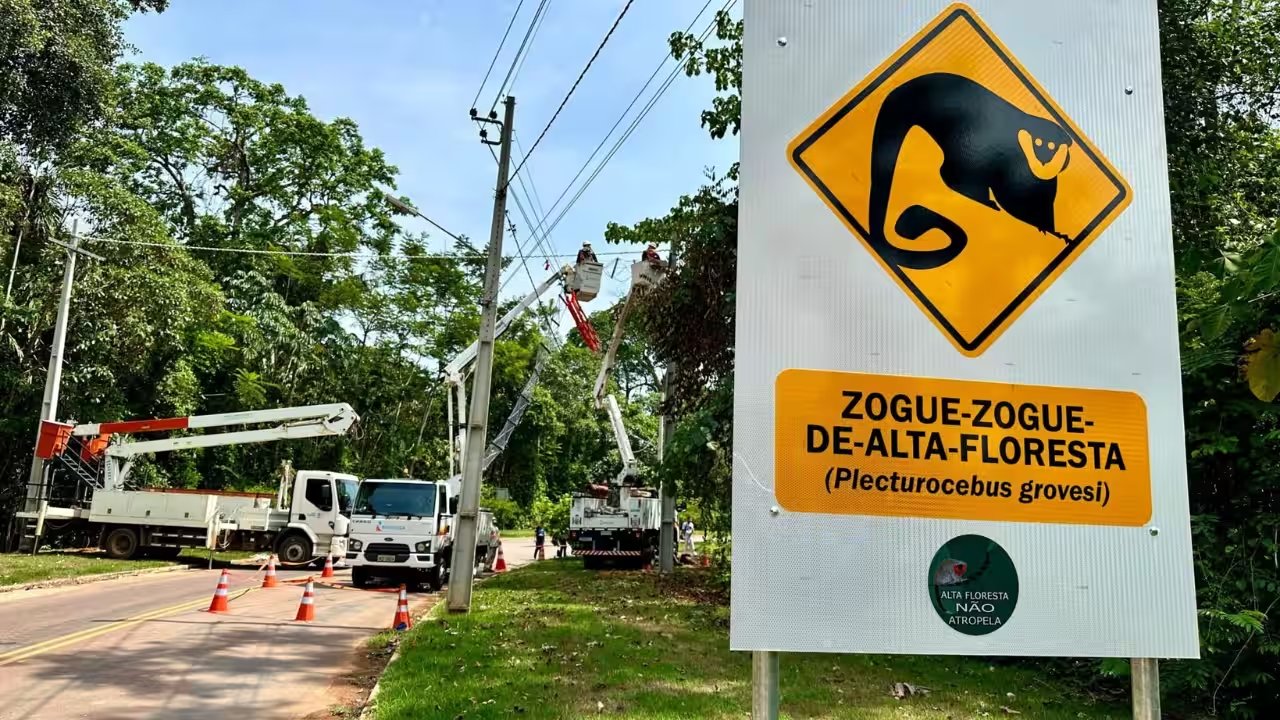
Brazil’s highways claim nearly 9 million mammals each year, a figure that has alarmed conservationists – a 2022 study from the Institute for Biodiversity and Environmental Studies warned that the toll is rising.
Biologist Fernanda Abra’s Projeto Reconecta answered with a low‑cost, durable solution: a rope‑bridge network that accommodates prehensile tails, arm‑swinging monkeys, and simple walkers. Each bridge carries two camera traps – one aimed at the crossing, the other at the forest edge – to record both usage and hesitation.
The cameras have logged dozens of primate species, from the black‑faced spider monkey to the critically endangered Alta Floresta titi. Notably, no deaths were captured, a stark contrast to the typical 6‑to‑9‑month adaptation curve seen on Highway 174.
The National Department of Transport Infrastructure has adopted the design as the recommended highway standard, a move that could see similar crossings installed on roads across Brazil. The next phase includes 10 canopy bridges in Lucas do Rio Verde and a pilot in Suriname.
Local farmer Manoel Silva, who lives three kilometres from the bridges, says the new crossings have reduced traffic accidents and restored sight of monkeys to his fields. He added that the bridges have “brought a new sense of safety and hope” to the community.
A bill to create a National Road Safety standard is set to be debated in the Senate next month, with the first nationwide implementation slated for 2027 and a review scheduled for mid‑2028.