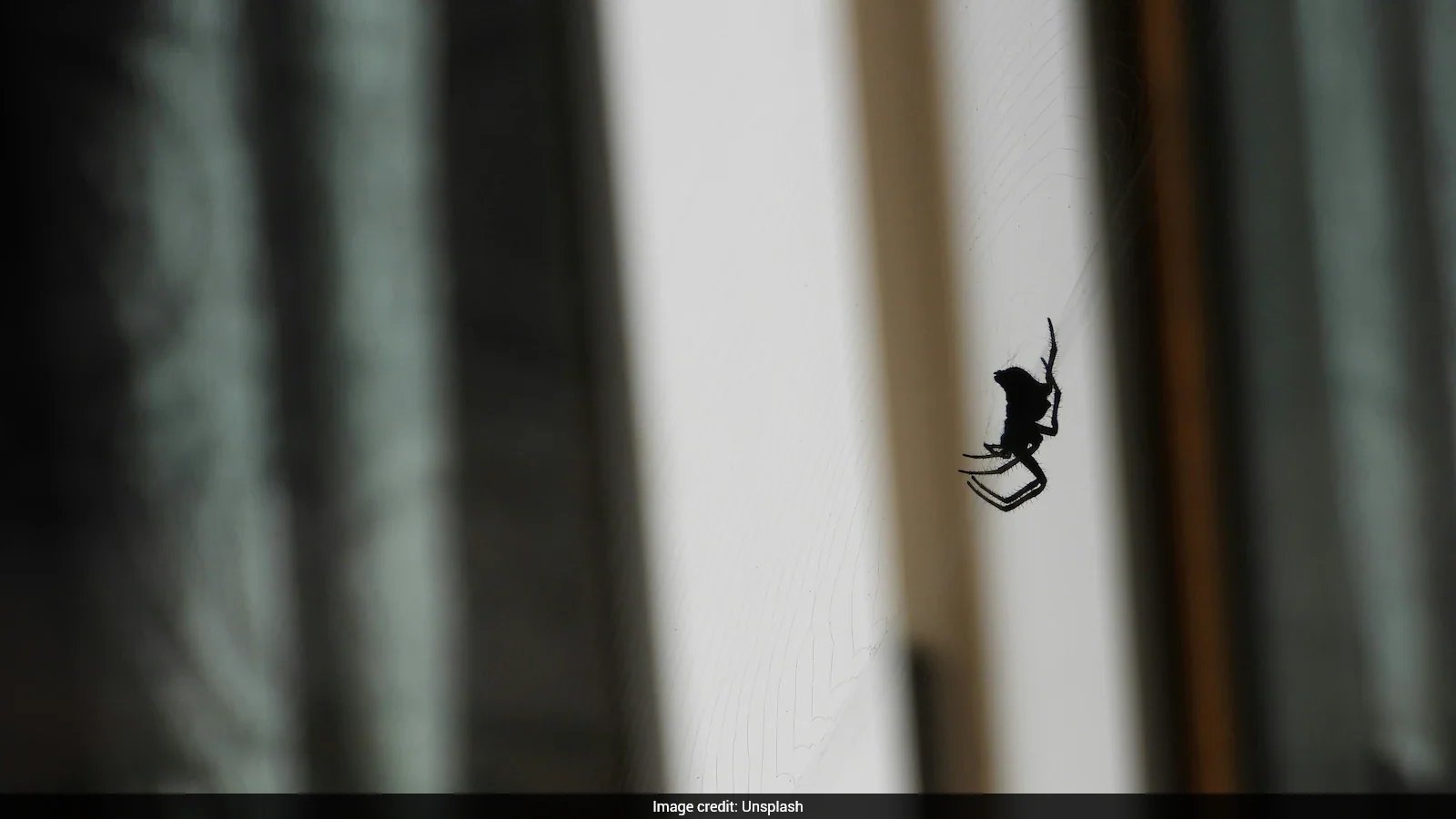
The case that landed on Good Morning Britain shows how a single bite from a Noble False Widow spider can turn a 73‑year‑old’s leg into a 15‑inch balloon of pain. The spider, Britain's deadliest, injects venom that triggers intense inflammation and, if untreated, a dangerous infection.
Priestley’s swelling began a day after the bite, with the leg turning rosy‑red and then gory‑black by the 25th. Blood work revealed high C‑reactive protein and white‑cell counts, while MRI, CT and X‑ray ruled out other causes.
Dr. Anil Kumar, a wound‑care specialist, warns that the hallmark of a spider‑bite complication is rapid swelling and pain that outpaces normal healing. He stresses that the body’s immune response can spiral if bacteria enter the wound.
If you notice a bite that makes your skin feel hot, swollen, or unusually tender, treat the area with soap and water and apply a cold compress. Keep the limb elevated and monitor for fever or spreading discoloration; call a doctor within 24 hours if symptoms worsen.
Early medical intervention—antibiotics or antivenom in severe cases—can curb tissue damage. Readers should remember that while spider bites are rare, vigilance and prompt care can prevent life‑threatening infections.