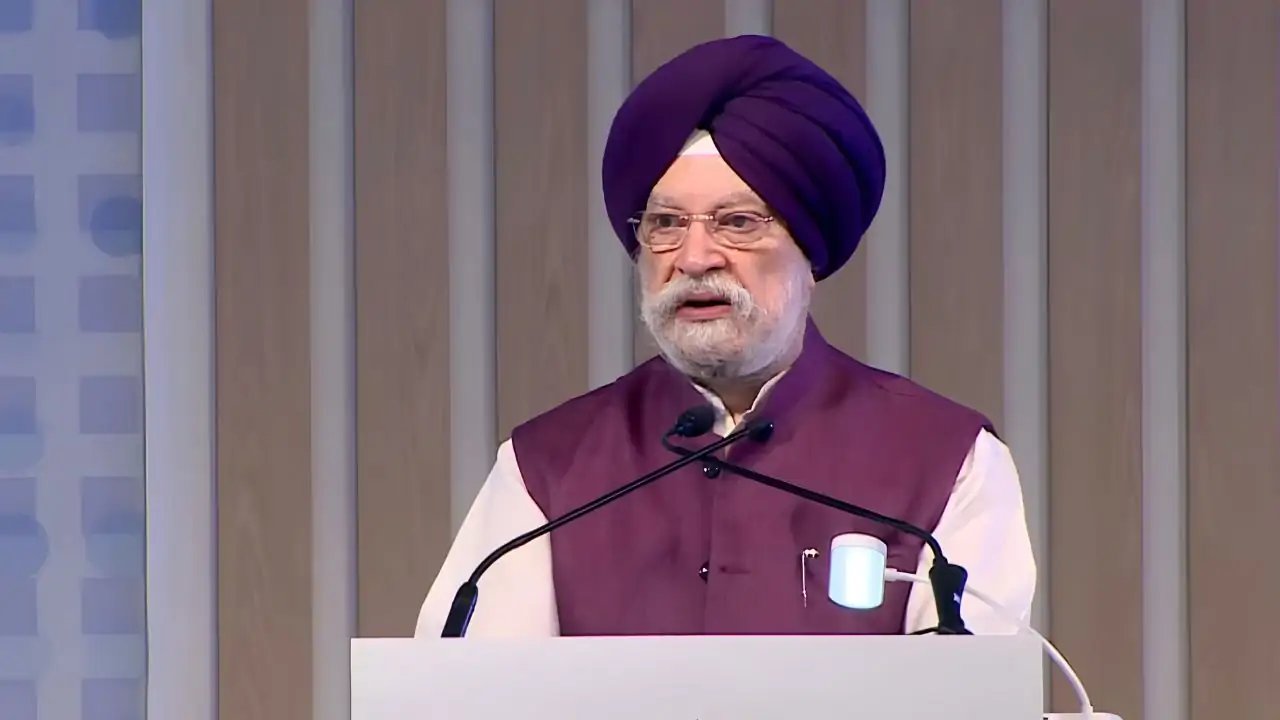
The Union Minister of Petroleum and Natural Gas, Hardeep Singh Puri, confirmed that the ethanol blend in India’s petrol will stay at 20% and there are no plans to boost it further. That’s the headline news for anyone who thinks a higher blend could mean a cleaner ride or a cheaper fill‑up.
For the average commuter, 20% ethanol in petrol translates to a modest drop in energy per litre—roughly 10–12% less fuel economy compared to pure petrol. But most modern engines are already dialed in for E20, so the real‑world impact is a few kilometres per tank, not a dramatic loss of range.
India’s decision sits oddly next to the flex‑fuel trend in the U.S., where 85% ethanol (E85) is standard in dedicated models. Those cars are engineered for high‑percent ethanol, with fuel‑system upgrades that Indian petrol‑engine owners don’t have. So, unless a manufacturer releases a flex‑fuel variant, the 20% cap stays the status quo.
From a policy angle, sticking with 20% keeps the import bill stable. Ethanol, largely sourced from sugarcane and grains, cuts the need for crude imports, but pushing the blend higher would require a bigger supply chain overhaul—something the government says is not ready yet.
The blend is already in every pump across the country, and the current 20% mix is set to stay for the next few years. So if you’re buying a new car now, you can plan around the existing fuel without worrying about a sudden jump in ethanol content.
What to watch next? Keep an eye on the upcoming energy ministry reports—any shift in the ethanol target will ripple through fuel prices, engine tuning, and the market for flex‑fuel models.