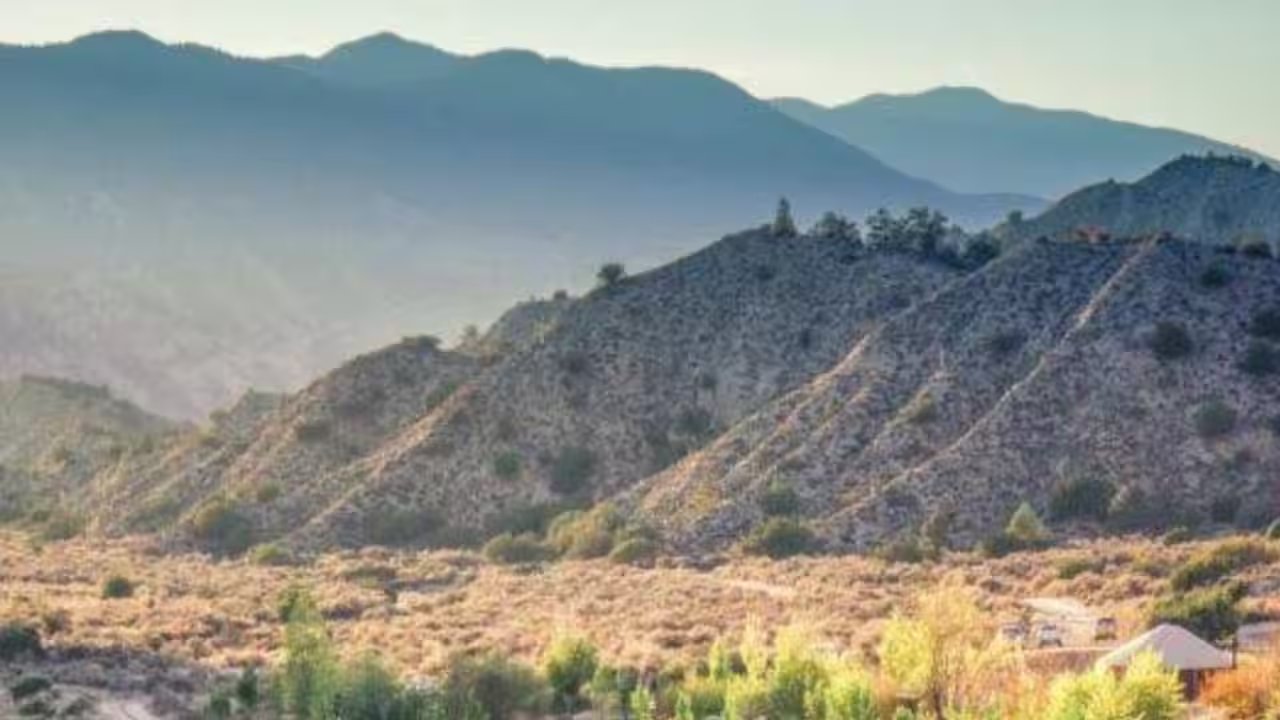
The Doiron family has permanently locked down 5,650 acres of the Cuyama Valley, ensuring the land remains a working cattle ranch rather than a subdivision. This landmark deal, finalized with the California Rangeland Trust, places a permanent agricultural conservation easement on the Spanish Ranch, effectively killing any future plans for commercial or industrial development.
It’s a victory born from 183 years of history. The property is the largest intact remnant of Rancho Cuyama (No. 1), a 22,193-acre grant awarded by Mexican Governor Manuel Micheltorena to José María Rojo in 1843. After the US recognized the grant following the Treaty of Guadalupe Hidalgo in 1848, the land survived the statehood transition. But it’s the Doiron family, who bought the land decades ago, who fought the recent pressure from developers to carve it up.
Money talks, and here, it spoke loudly. The protection required a $1 million fundraising push. More than 140 individual donors and seven foundations chipped in, covering nearly 54% of the total cost. The rest came from federal matching funds via the USDA’s Natural Resources Conservation Service. The John S. Kiewit Memorial Foundation provided the final leadership grant to close the deal.
"The ranch is a symbol that shows that agriculture, history, and conservation go hand in hand," said Pam Doiron, the landowner. She isn’t just saving dirt; she’s protecting a corridor for California condors, tule elk, and pronghorn. The land acts as a critical buffer between the Los Padres National Forest and the Cuyama River basin.
The Doirons keep full private ownership and control over the ranch. They can still graze cattle. What they can’t do anymore is sell the development rights. Michael Delbar, CEO of the California Rangeland Trust, called it a model for keeping working landscapes connected. For now, the 5,650 acres stay whole.