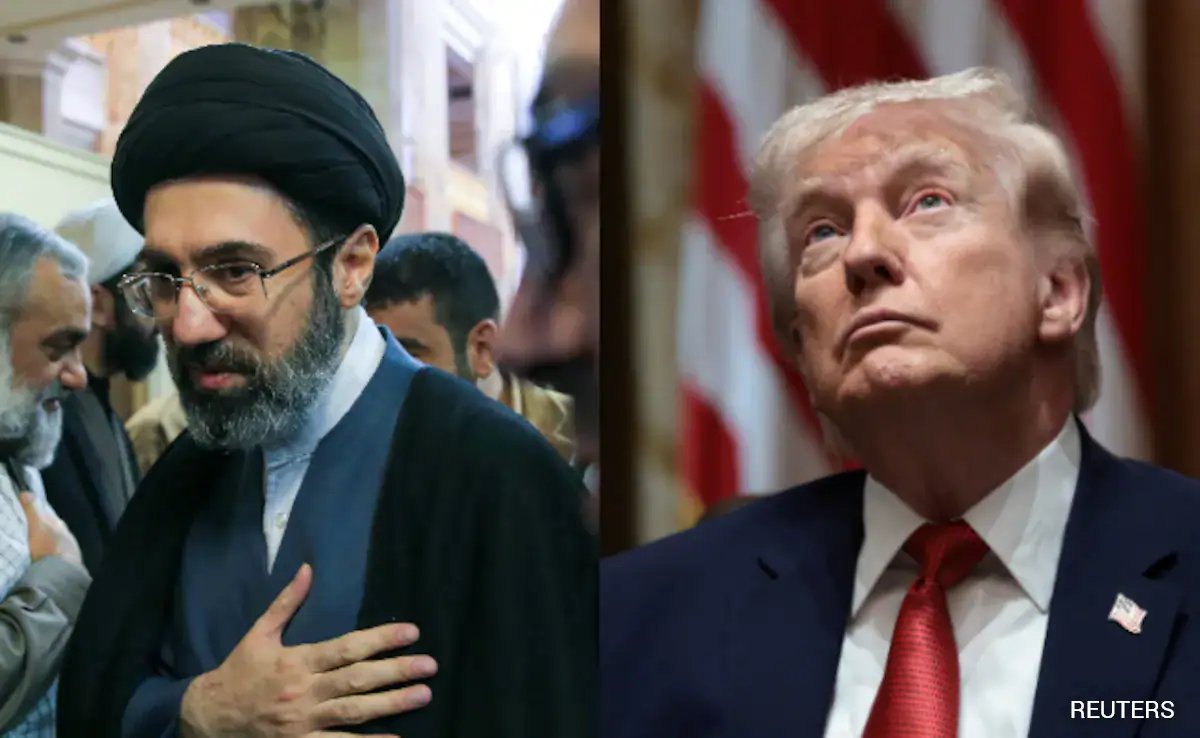
The talks, held on the sidelines of the U.N. General Assembly, hinge on a two‑step plan: Tehran would allow navigation through Hormuz in exchange for the U.S. lifting its sanctions and possibly freeing frozen assets.
A senior Iranian official said the plan must be phased because neither side wants to relinquish leverage, while a U.S. diplomat stressed the need for a durable arrangement that would keep shipping lanes open.
Former U.S. negotiator Dennis Ross, who has dealt with Tehran since the 1990s, estimates the odds of a deal before the November 3 vote at 30 percent, noting that the blockade 'strangles the Iranians' and that a pre‑midterm agreement would help ease Gulf tensions.
The Biden administration has tightened sanctions this month, targeting Iran's airlines and support networks, and President Trump has warned that the economy could 'rot' without a resolution.
Meanwhile, a crew of a small cargo ship that had been stranded in the Gulf for two weeks said it could resume operations if the strait reopens, underscoring the human cost of the impasse.
The next step will be a congressional vote on November 3, after which the two sides will decide whether to formalise the phased plan or risk a widening diplomatic window.