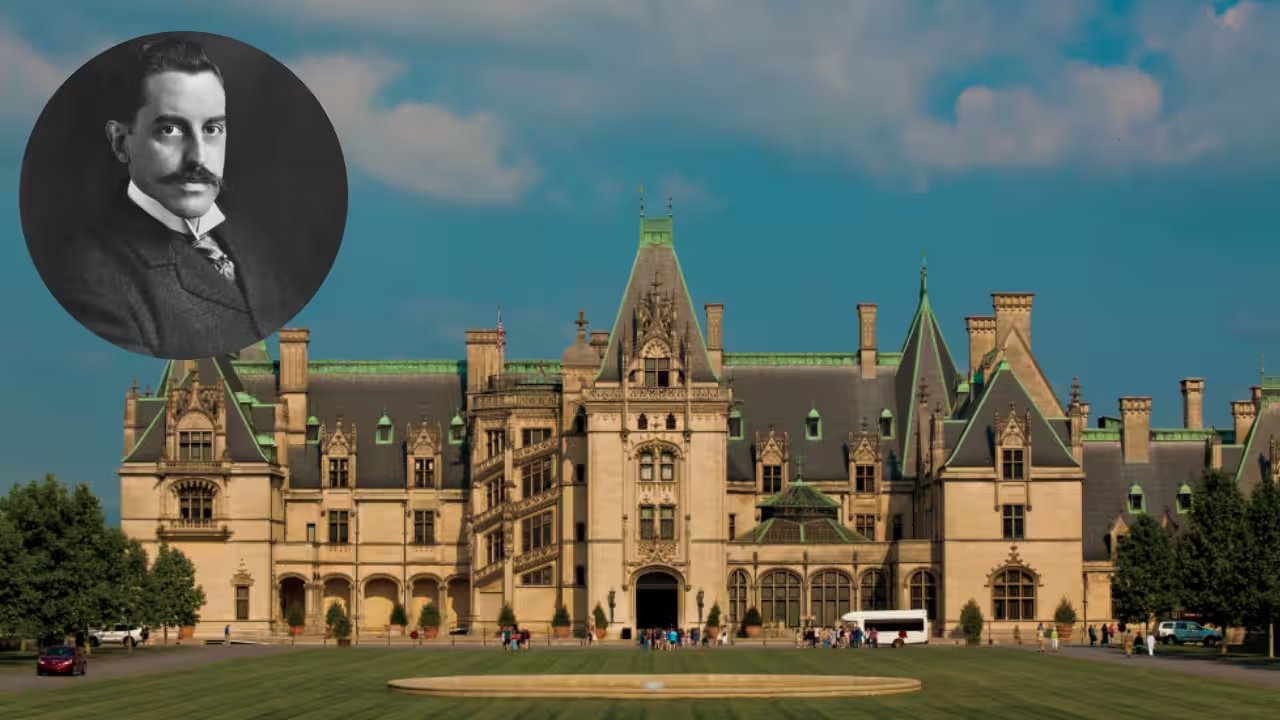
George Vanderbilt began buying degraded farmland and mountain slopes around Asheville in 1888, amassing over 125,000 acres by the time of his death. In 1898, he established the Biltmore Forest School on the estate, the first professional forestry program in North America, and enlisted Frederick Law Olmsted and Gifford Pinchot—future chief of the U.S. Forest Service—to pioneer scientific forest management on the property.
When Vanderbilt died from complications of surgery in March 1914, the sprawling estate became a financial burden for his widow. Edith Vanderbilt, honoring her husband's conservation vision, wrote directly to Secretary of Agriculture David F. Houston on 1 May 1914, offering 86,700 acres to the federal government at $5 per acre, a price far below market value but sufficient to preserve the land for public use.
The transaction was enabled by the Weeks Act of 1911, which authorized federal purchase of private land to protect river headwaters and manage forest resources. Houston’s National Forest Reservation Commission quickly approved the deal, deeming the $5 per acre a remarkable bargain amid higher commercial bids. President Woodrow Wilson signed an executive proclamation on 17 October 1916, formally establishing Pisgah National Forest with the former Vanderbilt tract as its core.
Today, Pisgah National Forest spans more than 500,000 acres across the Appalachians, drawing millions of hikers, researchers, and conservationists each year. The Cradle of Forestry in America National Historic Site, located on the original estate grounds, preserves the legacy of early forestry education. This sale remains one of the largest single land acquisitions under the Weeks Act, setting a precedent for public land protection throughout the eastern United States.