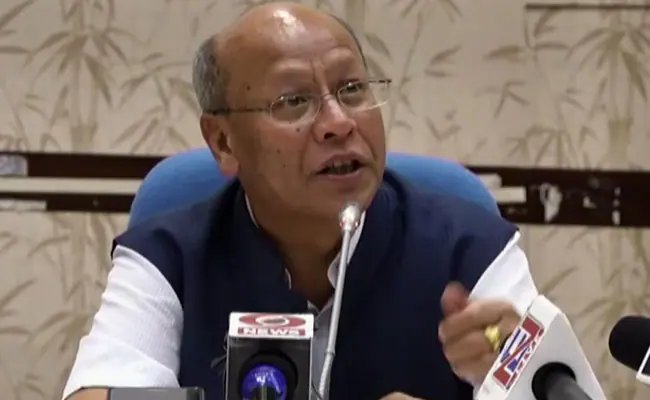
Prestone Tynsong, Meghalaya’s Deputy Chief Minister and NPP chief, rejected the narrative that the proposed FCRA amendments target Christian organizations exclusively. Speaking to reporters, Tynsong argued that the regulatory tightening impacts every entity receiving foreign funds, regardless of religious affiliation. He welcomed the government’s decision to refer the bill to a Joint Parliamentary Committee, urging that the committee’s scrutiny account for the operational realities of NGOs in remote Northeast states.
The political temperature in Shillong rose after Congress MP Saleng Sangma revealed he has actively solicited international pressure. Sangma told reporters he approached delegates from the US, Australia, Korea, England, Mexico, and African nations, asking them to urge the Centre to withdraw the changes. He also disclosed meetings with President Droupadi Murmu and Vice-President CP Radhakrishnan, framing the issue as one requiring broader diplomatic attention.
Critics in the state argue that stricter compliance norms could strangle the infrastructure of schools, hospitals, and hostels in geographically difficult areas where state funding is insufficient. Local church and community leaders have expressed fear that the new provisions will slow down or halt critical welfare projects in far-flung regions. They maintain that the central government is ignoring the unique administrative challenges of Meghalaya’s terrain.
Chief Minister Conrad K. Sangma stated the state is engaging constructively with New Delhi to resolve the impasse. To mitigate bureaucratic delays, his administration announced the creation of a dedicated FCRA Cell under the Home Department. This unit aims to fast-track applications and ensure compliance for genuine public welfare organizations, a step designed to address the administrative bottlenecks that have plagued the sector for years.
The Joint Parliamentary Committee will now examine the proposed amendments in detail, with James PK Sangma included as a special invitee. The committee’s final report is expected to shape the final wording of the law, determining whether exemptions or special provisions will be granted for Northeast Indian states.