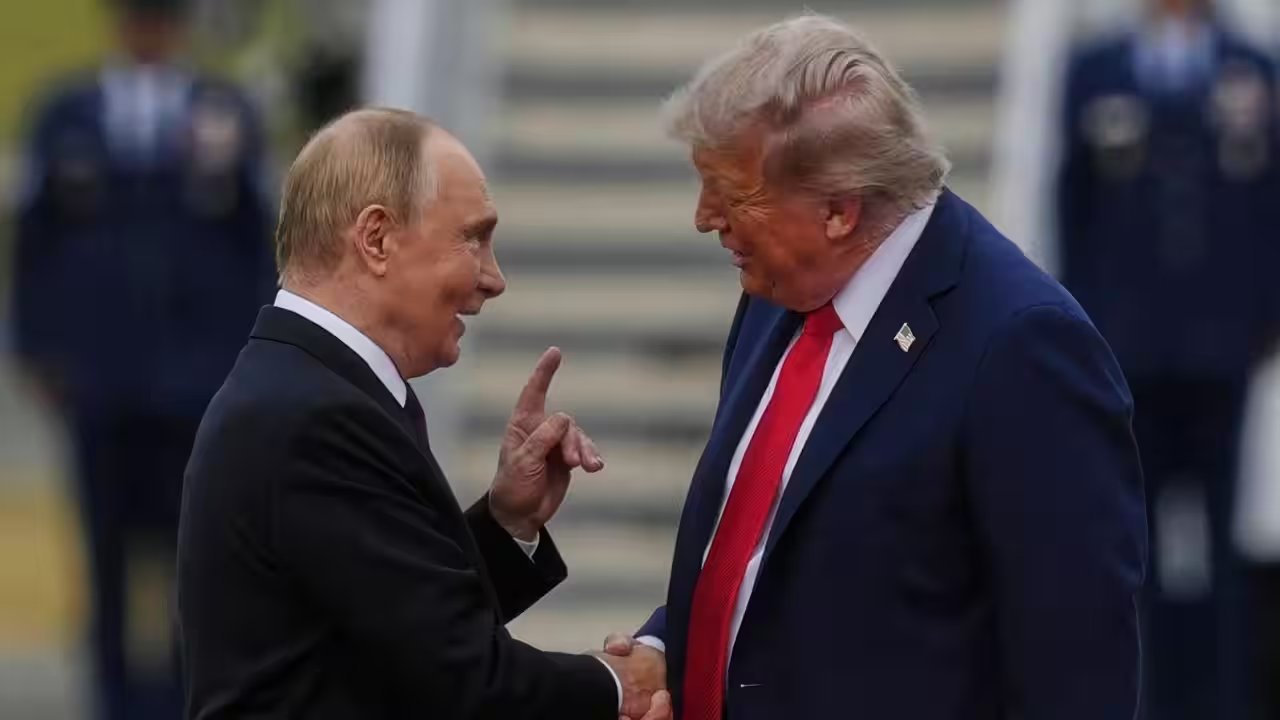
On September 5, 2026, Vladimir Putin met Todd Boehly and Jared Kushner at the Kremlin to discuss a $20 billion takeover of Lukoil’s overseas assets. Boehly’s group, which also includes Qatar’s Al‑Khayyat brothers and an Abu Dhabi fund, is pushing the deal as a way to demonstrate that Russian and U.S. businesses can cooperate again. The U.S. Treasury will weigh the proposal because lifting sanctions could unlock billions in value.
Lukoil’s international portfolio spans oil fields in Cameroon, refineries in Europe and gas stations across the United States. The company, technically private but heavily state‑owned, was valued at $20 billion earlier this year. A previous bid by Carlyle fell through when the Treasury stalled approval, forcing the sale to remain in limbo.
Steve Witkoff and Jared Kushner have long been involved in negotiations with Moscow, with the former’s crypto firm and the latter’s real‑estate ventures tying them to Trump’s circle. While neither is expected to profit personally from the transaction, their presence raises questions about the overlap between U.S. diplomacy and business interests. The deal could, however, signal a new chapter in U.S.–Russian economic ties.
The Treasury has extended sanctions‑related arrangements until October 29, leaving the sale on a tight deadline. If approved, the U.S. would gain a substantial upfront payment and profit interest, while Russia could resume a key source of foreign income. The outcome will likely influence global energy prices and the pace of diplomatic talks over Ukraine.
A Lukoil refinery worker in Cameroon, whose plant was shut down last year, said he hopes the sale will bring jobs back to the region. The deal’s fate will be decided in the next U.S. Treasury meeting, with Kremlin officials expected to weigh in before the deadline.