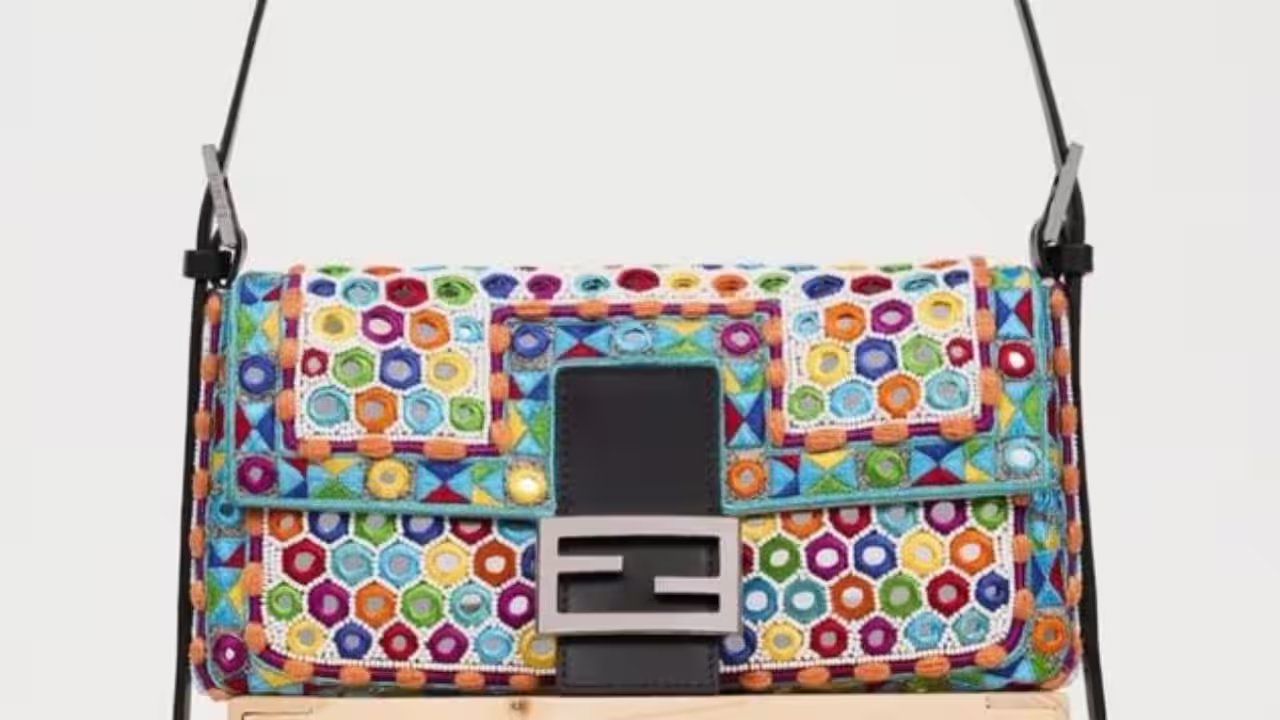
If it takes 138 hours to stitch 39,500 beads, you’re looking at a piece of true craftsmanship. The sheer weight of work behind each mirror‑laden piece means the price tag should reflect the labor, not just the brand’s logo.
But the market is split between genuine artisan‑made bags and high‑priced copies that lean on the same techniques. A quick way to tell the difference is to check the label on the bottom of the bag. Authentic pieces often carry a workshop name—like Mumbai’s Chanakya—alongside the designer’s brand.
So before you click ‘buy’ on a $10,000 bag, do a quick price comparison. A handcrafted mirror‑embroidery bag from a local Indian atelier typically costs between ₹50,000 and ₹80,000 (about $700–$1,100). Prices that jump into the ₹9 lakh range are usually marketing dollars rather than labor costs.
Want a step‑by‑step? 1️⃣ Look for a tag that names the workshop. 2️⃣ Verify the bead count and mirror placement—real artisans use a consistent pattern that’s difficult to copy at scale. 3️⃣ Check the weight; genuine hand‑stitched bags feel substantial. 4️⃣ Ask for a certificate of authenticity if you’re buying online.
And if you’re not ready to splurge, there are plenty of stunning, affordable options. Local markets in Gujarat or cities like Surat have mirror‑embroidery bags that look just as glamorous for a fraction of the price. You’ll be supporting the same artisans who would otherwise work for a few hundred rupees a day.
Ethical luxury isn’t just about the final price; it’s about the story behind the product. By choosing bags that credit the artisans and the workshop, you help preserve a craft that has survived for centuries.
Try starting with a Chanakya‑made bag next Navratri. Shop through their official website or visit a reputable boutique in New Delhi that stocks their pieces. Your wallet and the artisans will thank you.