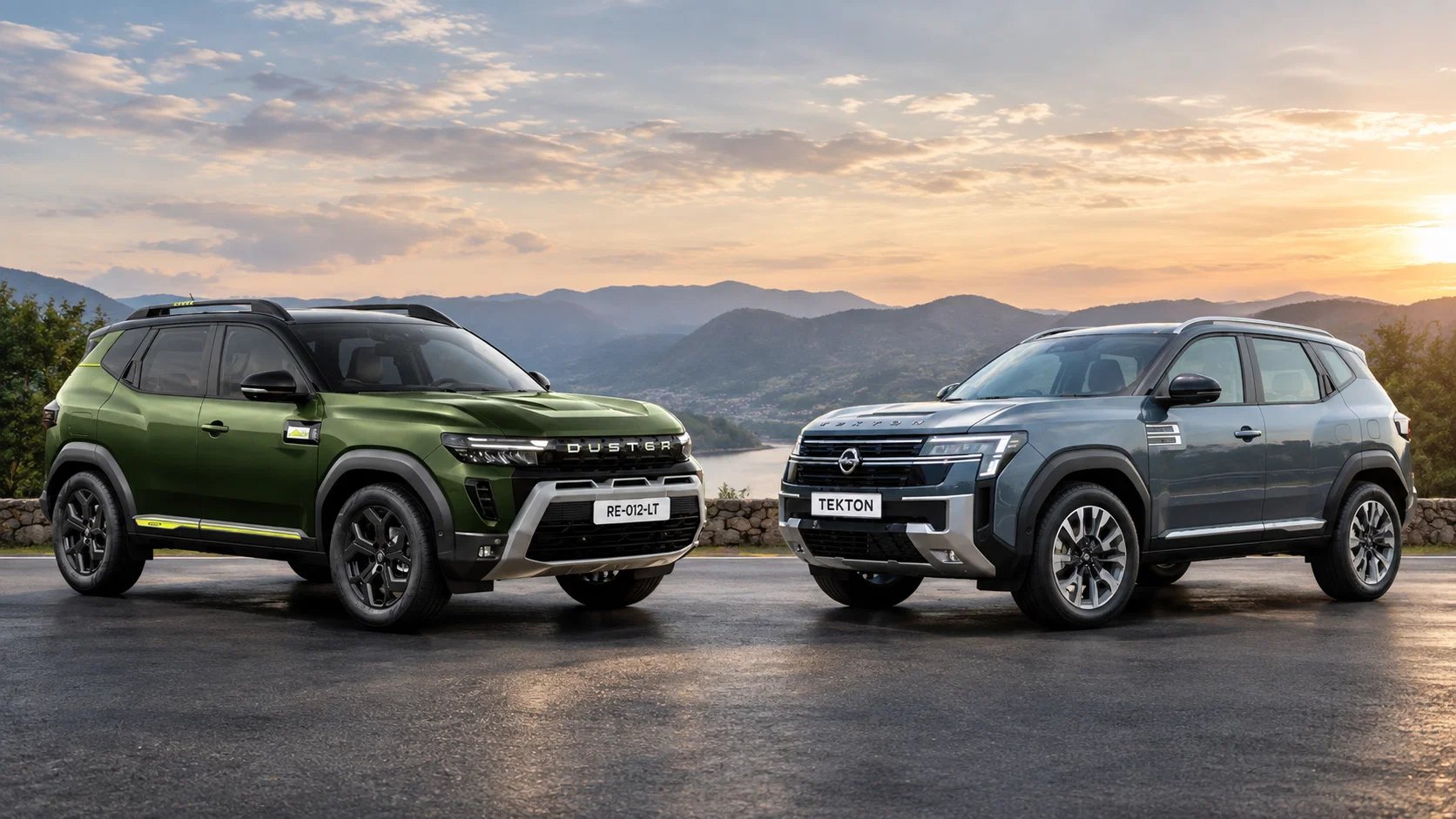
Renault Duster shipped only 406 units to showrooms in August, a 21% slide from July’s 512 units and the lowest figure since its March 2026 launch. The model, built on the Renault‑Nissan CMF‑B platform, offers a 1.0‑liter or 1.3‑liter turbo‑petrol engine and will add a 1.8‑liter hybrid by November, all priced between ₹10.49 lakh and ₹18.49 lakh (ex‑showroom).
The Duster’s sales slump comes against a backdrop of a crowded midsize SUV market. Competitors such as Hyundai Creta, Kia Seltos, Tata Sierra, and Maruti Grand Vitara have been pulling larger shares, with Creta alone selling over 3,800 units in the same month. Even the newly launched Nissan Tekton, a badge‑engineered sibling, saw its August dispatches drop to 491 units, down 71% from July.
Tekton shares the same mechanical heart as the Duster, offering the same 1.0‑ and 1.3‑liter turbo engines, but with an additional 6‑speed wet‑clutch DCT on the 1.3‑liter option. Its price starts at ₹10.49 lakh and tops out at ₹18.59 lakh (ex‑showroom). Despite a strong launch that made it Nissan India’s No.1 model in July, the September dip mirrors the Duster’s trajectory, hinting that the market may be favoring vehicles with diesel or hybrid powertrains.
The export picture is a contrast: Renault shipped 1,457 Dusters to overseas markets between April and August, while Nissan exported 1,340 Tektons in two months, including 1,334 units in August alone. This suggests that while domestic demand is waning, foreign buyers still find the platform appealing, perhaps due to better pricing or the absence of diesel restrictions abroad.
For buyers, the current reality is that the Duster’s 14% share of Renault India’s wholesales and the Tekton’s similar share of Nissan’s indicate a tightening of margins and a need to look at alternatives. The upcoming hybrid variant could help Renault regain footing, but it will likely arrive only in November, leaving the current lineup to compete on price and features.
Both models launched in the first quarter of 2026, with the Duster available across all major metros from March and the Tekton rolling out from July in key cities like Mumbai, Delhi, and Bengaluru. The next few months will be critical: hybrid introductions, potential price trims, and a closer look at how these vehicles stack against the likes of Hyundai and Kia. Buyers should keep an eye on the November launch window and the possible ripple effects on the broader midsize SUV segment.