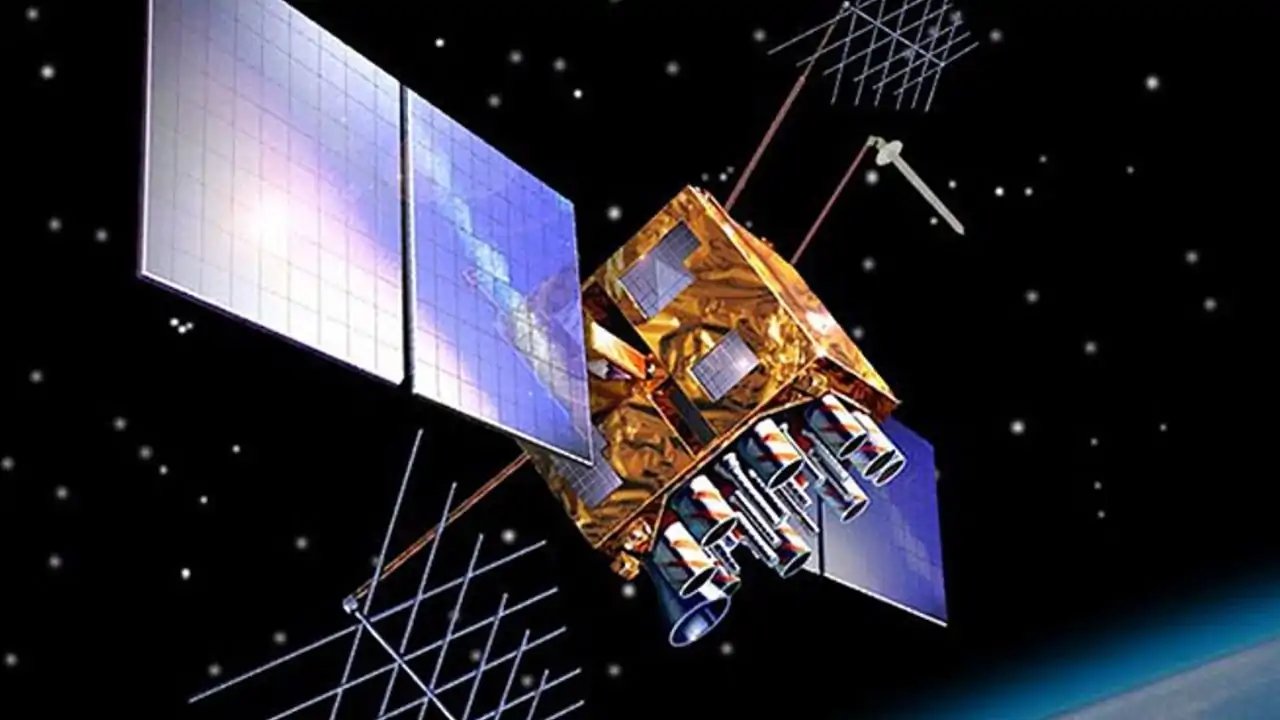
NavIC is broken. The Indian navigation system has slipped below the four-satellite minimum required to provide standalone positioning services, a critical threshold for military and civilian use alike. ISRO senior officials confirmed that the priority now is getting NVS-03, the third satellite in the second-generation series, into orbit immediately.
The launch window is tight. Preparations at Sriharikota and other ISRO centres are in full swing, with a target date set for the second half of October or around November. Unlike previous missions, NVS-03 will not ride the PSLV. That rocket remains on hold after two consecutive mission failures, awaiting corrective measures from a failure analysis committee. Instead, the satellite will launch on the GSLV Mark-II.
The urgency stems from a cascading series of failures that have plagued the constellation for years. Recent issues included satellite malfunctions and atomic clock failures. The retirement of IRNSS-1F further weakened the network, dropping it below the operational floor. To function at full strength, NavIC needs seven satellites. Currently, it lacks even the basic four.
Restoring this capability is not just a technical fix; it is a strategic necessity. NavIC provides reliable navigation, positioning, and timing services across India and up to 1,500 km beyond its borders. Without it, the system cannot support autonomous driving projects, precision agriculture, or secure military communications. ISRO is betting on the NVS-03 launch to stabilize the constellation before further degradation sets in.