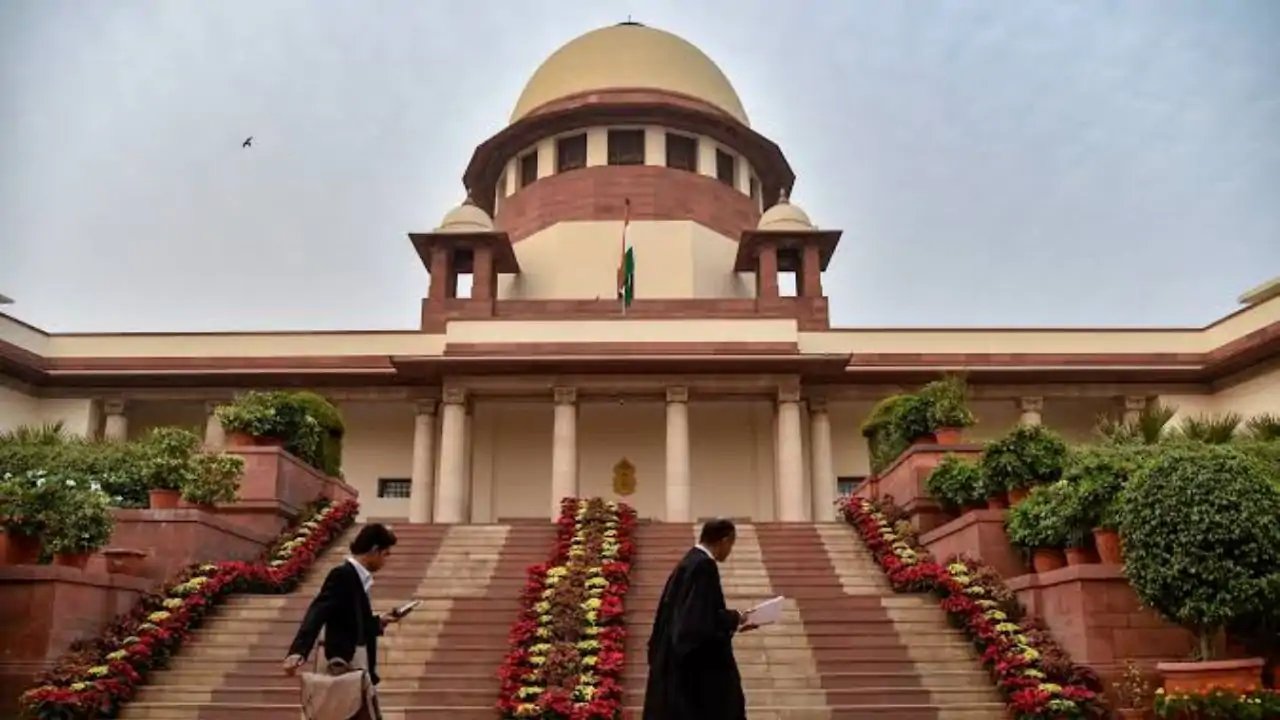
Justice Joymalya Bagchi delivered a sharp legal reality check to the Solicitor General on Monday, stating that when a 12-year-old or a 15-year-old clicks 'I Agree' on a social media platform, they are entering a legal contract that the law does not recognize. Under Section 11 of the Indian Contract Act, 1872, any agreement with a person under 18 is void ab initio—invalid from the very second it is formed. This ruling dismantles the legal shield currently protecting major tech giants when they allow children to sign up independently.
SG Tushar Mehta conceded the point immediately, agreeing that the current framework relies on self-declared dates of birth, a method he admitted is insufficient. He told the bench that the requirement for age verification must move beyond a mere guideline and be given a statutory format under the existing intermediary-rule framework. The Union Ministries of Electronics and Information Technology, and Law and Justice, are the primary respondents in this petition and will now have to draft the specific technical and legal mandates.
The case stems from a Public Interest Litigation filed by the Just Rights For Children Alliance, represented by Senior Advocate HS Phoolka. Phoolka argued that platforms like Facebook and Snapchat currently allow users aged 13 and above to create accounts, a practice that directly contradicts Indian law defining anyone under 18 as a minor. He outlined the specific dangers this loophole creates: online grooming, sextortion, cyberbullying, and the systematic misuse of children's data. The petition explicitly does not seek a total ban on internet access for minors, but rather demands mandatory parental consent and automated technical firewalls.
The bench, led by Chief Justice Surya Kant, emphasized that the digital terms of service function as legally binding contracts, meaning platforms cannot claim ignorance of the age of their users if they lack robust verification mechanisms. This legal distinction shifts the liability squarely onto the platforms and the regulator, forcing them to build the infrastructure for age proof rather than relying on honor-system inputs. The court’s intervention highlights the gap between digital business models and existing civil law, a gap that has left millions of Indian children exposed to adult-content ecosystems without legal recourse.
The Centre is now expected to submit a detailed compliance plan outlining how statutory age verification will be implemented across all major intermediaries. The next hearing will likely focus on the technical feasibility of these firewalls and the timeline for enforcement, with the bench signaling that it will not accept further delays in converting this legal void into a regulatory reality.