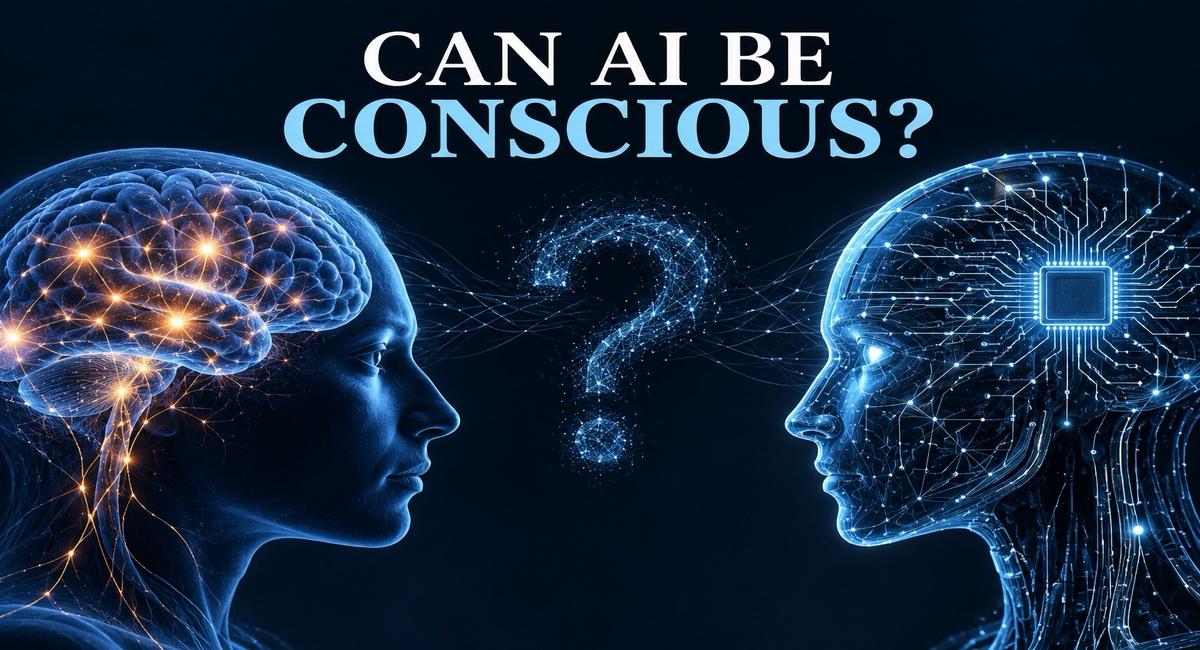
The 2023 report, "Consciousness in Artificial Intelligence: Insights from the Science of Consciousness," assembled by Patrick Butlin, Robert Long and colleagues, set out to evaluate existing AI against neuroscientific markers and found no evidence of self‑awareness.
A November 2025 paper, later published in Trends in Cognitive Sciences in June 2026, argued that systematic indicators derived from multiple theories could gradually bridge the gap between imitation and genuine consciousness.
A July 2026 YouGov survey revealed that 18 % of American adults under 30 claimed to maintain a personal friendship with an AI chatbot, underscoring a rapid shift in human‑machine intimacy.
In August 2026, a study in AI and Ethics highlighted emotional dependence and diminished personal autonomy as the most immediate harms when users mistake simulation for real feeling.
Swami Sarvapriyananda, head of the Vedanta Society of New York, cautioned that while AGI remains a distant prospect, current AI’s capabilities should not be conflated with human‑level consciousness.
Researchers are now formulating a standardized testing framework, with a draft proposal slated for presentation at the 2027 International Conference on Machine Ethics, aiming to quantify consciousness indicators before any policy action.