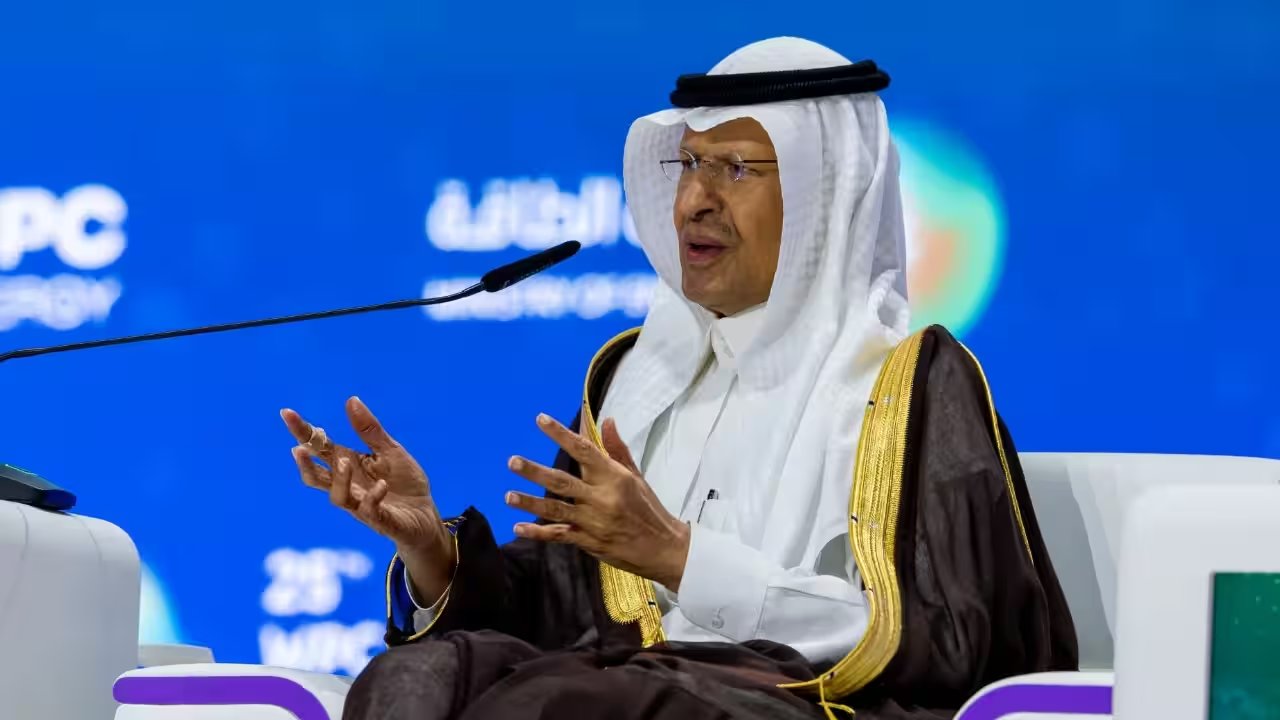
Prince Abdulaziz bin Salman, Saudi Arabia’s energy minister, outlined a bold logistical pivot on Monday. The kingdom plans to push its crude export capacity to 10 million barrels per day (bpd) by repurposing domestic infrastructure. This isn’t just about volume; it’s about rerouting oil away from the congested and vulnerable sea lanes of the Gulf and Red Sea. The strategy relies on converting a domestic gas pipeline for oil shipments and heavily upgrading the existing East-West pipeline network.
The immediate impact will be visible within months. Abdulaziz disclosed that Saudi Aramco has been authorized to use a gas pipeline for oil transport until May. This temporary measure could unlock up to 1.2 million barrels per day of additional capacity within seven to eight weeks. The pipeline will then be flushed and restored for gas service before the summer peak. Longer-term investments target an extra 3 million bpd, fundamentally altering how the world’s largest exporter moves its product.
Amin Nasser, CEO of Saudi Aramco, confirmed the company is simultaneously examining other export routes and expanding overseas storage facilities. This dual approach—pipeline upgrades and storage expansion—addresses the dual threats of geopolitical instability and logistical congestion. While crude exports have largely recovered to pre-war levels, with Kpler data showing weekly averages near 18.11 million tonnes in September, fuel exports remain suppressed. Damage to regional refineries from the conflict with Iran has kept refined product shipments below half their previous capacity, making the crude route even more critical for revenue stability.
The shift to pipeline dominance offers Saudi Arabia a strategic buffer. By reducing dependence on the Strait of Hormuz, the kingdom mitigates the risk of supply disruptions that have plagued the region in recent years. As tanker traffic through Hormuz fluctuates, the East-West pipeline becomes a lifeline for maintaining market share. The next two to three years will define the success of this infrastructure overhaul. Investors and traders are watching closely as Saudi Aramco works to finalize the upgrades, aiming to secure a more resilient and flexible export mechanism for the global energy market.