The Delhi government’s new rule, effective July 1, 2026, obliges every car‑maker operating in the capital to set up a public charging point at each dealership—three for two‑ and three‑wheelers, two for four‑wheelers.
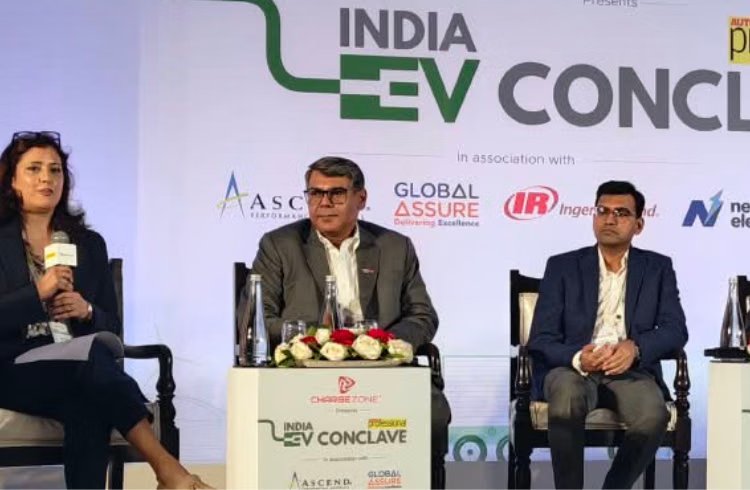
Dealerships already own the land and convenient curb space that makes charging attractive for commuters, but the real hurdle is the price tag for the extra electrical load. Sai Giridhar, president of FADA, told the Autocar Professional EV Conclave that the cost of securing the necessary kilovolts from local distribution companies can be higher than the charger itself, and that this “is sometimes or most of the time” the case.
Beyond the capital, expanding EV adoption will need a parallel investment in dealer service infrastructure. EV workshops require technicians trained in battery health diagnostics and specialized tools for battery‑repair work—skills and equipment that most current dealer garages haven’t yet adopted.
Another stumbling block is the lower margin on EV service compared to internal‑combustion engines. Dealers report that the revenue generated from servicing EVs sits below that of ICE vehicles, which in turn discourages them from investing heavily in the new charging and repair equipment.
Looking ahead, the August‑2026 rollout will test whether dealerships can shoulder the extra load cost without passing it on to consumers. If the cost barrier is not addressed—perhaps through state‑level subsidies or a streamlined load‑connection process—India’s push to electrify its 350‑million‑strong fleet may stall at the dealership level.
For buyers, this means that while charging stations are becoming more ubiquitous in city centres, the actual availability of a convenient, dealer‑based charge point may lag until the infrastructure cost problem is solved.