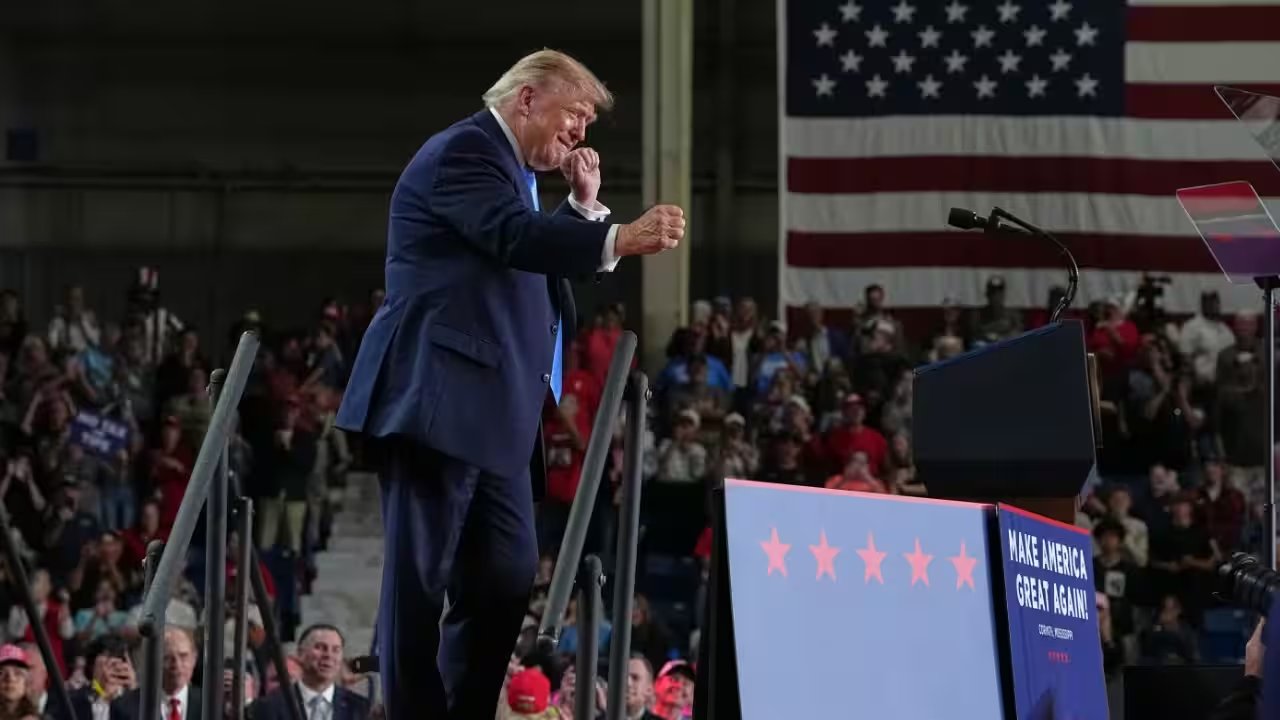
The number moved. One point up. Trump’s approval rating now sits at 32 percent, a modest bump from the record low he hit last week, per a Reuters/Ipsos poll that closed on Monday. It’s not a miracle. It’s just a stop to the bleeding.
But the real story isn’t the President’s personal ratings. It’s who controls Washington next. In this five-day nationwide survey, registered voters backed Democrats over Republicans for Congress by 47 percent to 36 percent. That’s an 11-point gap, but it’s one point smaller than the previous poll that ended October 19. Among undecideds, the Democratic lead tightened further to nine points, with 50 percent leaning blue and 41 percent leaning red.
Republicans still hold the House and Senate, but that grip is slipping. Losing either chamber would handcuff Trump’s agenda for the final two years of his second term. The economic narrative is shifting too. Before the war, voters preferred Republicans on the economy. Now, 37 percent say Democrats have the better handle on the issue, compared to 33 percent for Republicans. A small margin. But in a tight race, small margins decide everything.
Enthusiasm is higher on the left, too. About 46 percent of Democrats said they were very enthusiastic about voting, against just 30 percent of Republicans. The poll surveyed 1,679 US adults, with a margin of error of two percentage points. Generic ballot polls don’t tell you exactly who wins in individual districts, but they signal the national mood. And right now, the mood is turning against the incumbent party.
The clock is ticking. November 3 is when the chips land. Republicans have structural advantages in local contests, but the national trend is clear. If the 11-point gap holds or shrinks further, Trump could wake up in January with a divided government. The next poll closes soon. The stakes are higher than ever.