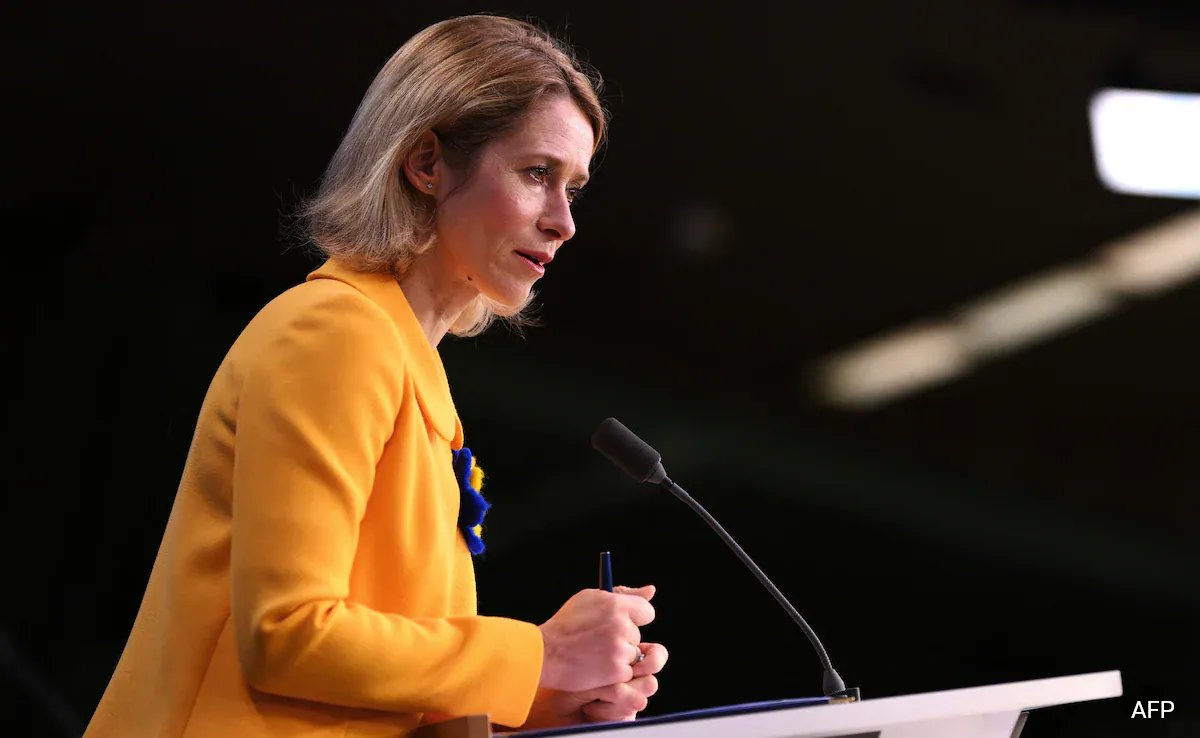
Kaja Kallas, the EU’s foreign policy chief, told reporters in New York after a European Union foreign affairs ministers’ meeting that sanctions remain the core pillar of the bloc’s response to Russia’s war—she urged member states to keep them in place until the late‑Tuesday deadline. She added that the bloc seeks to close talks on the rollover of Russia sanctions soon, stressing the need for stability as the U.N. General Assembly convenes.
The EU’s position has not changed, Kallas said, and the bloc is working on a new package of sanctions. Yet some member states, notably France and Slovakia, pushed to remove Russian oligarch Alisher Usmanov from the blacklist, while Luxembourg demanded that any lift on Usmanov be tied to the removal of Mikhail Fridman.
Negotiations in Brussels aim to extend sanctions on almost 3,000 other individuals and entities tied to the war, but the group failed to finalize a deal that would lift restrictions on the two oligarchs. The debate reflects deeper divisions among EU members over how far to go in penalizing Russia.
The talks are set to continue over the next few days, with Brussels hoping to reach a consensus before the deadline. The outcome will affect a wide spectrum of stakeholders, from small business owners to investors who rely on the stability that sanctions are meant to enforce.