For a buyer eyeing a vehicle in 2035, the headline means the choices you’ll have will come from a market that commands a chunk of global sales—almost a quarter of every new car. That volume translates into a competitive pricing environment and a wider range of models that are built on shared technology.
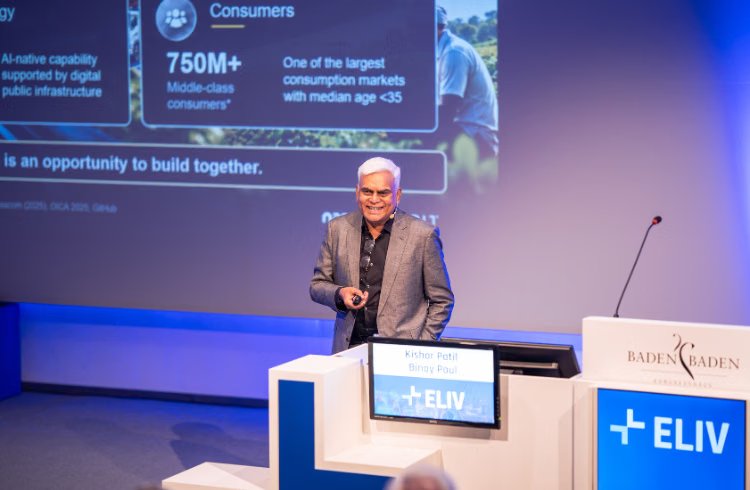
The drive behind these numbers is a “technology superhighway” that Kishor Patil proposes to link India’s tech giants with Europe’s automotive stalwarts. Think of it as a joint laboratory for software‑defined vehicles, autonomous systems, and AI validation, all fed by India’s $315 billion tech sector and 2,117 global capability centers.
What does that look like on the road? It means future models will carry software that is co‑created by Indian and European teams, potentially lowering development costs and speeding up feature roll‑outs. Buyers could see quicker updates, better battery management, and more reliable autonomous features without the usual delay that comes from siloed development.
From a policy angle, the call is for OEMs and Tier‑1 suppliers to swap the old vendor delivery model for a long‑term partnership that shares intellectual property. That shift could reduce the cost of components and, by extension, the sticker price for consumers, while also opening up avenues for local manufacturing and exports.
Looking ahead, the 2035 deadline is not a distant mirage but a concrete target that will guide investment decisions. Watch for announcements on joint R&D hubs, export tariffs, and new model launches that will emerge as the two regions align their road‑to‑market strategies. The next wave of mobility will reward those ecosystems that blend complementary strengths, and consumers stand to benefit from a richer, more affordable inventory.