Ashok Leyland’s 12‑year e‑bus contracts are now the talk of the town, not for their specs but for the way they’re being financed. The new payment‑security mechanisms, or PSMs, give investors a safety net that was missing in earlier municipal tenders, making the contracts a tradable asset. In a market where bus adoption sits between 5 % and 7 %, this shift is turning a niche segment into a potential cash‑cow for institutional investors.
But the story isn’t just about money. The bus sector is still heavily skewed toward public transport—about 90 % of current e‑bus deployments are in municipal fleets—yet the private market, which owns 90 % of the overall bus market, remains largely untapped. Mahesh Babu, MD of Olectra Greentech, warned that new bidders in 12‑year tenders often underestimate how operational costs will climb over a decade, especially with rising wages and fluctuating energy prices.
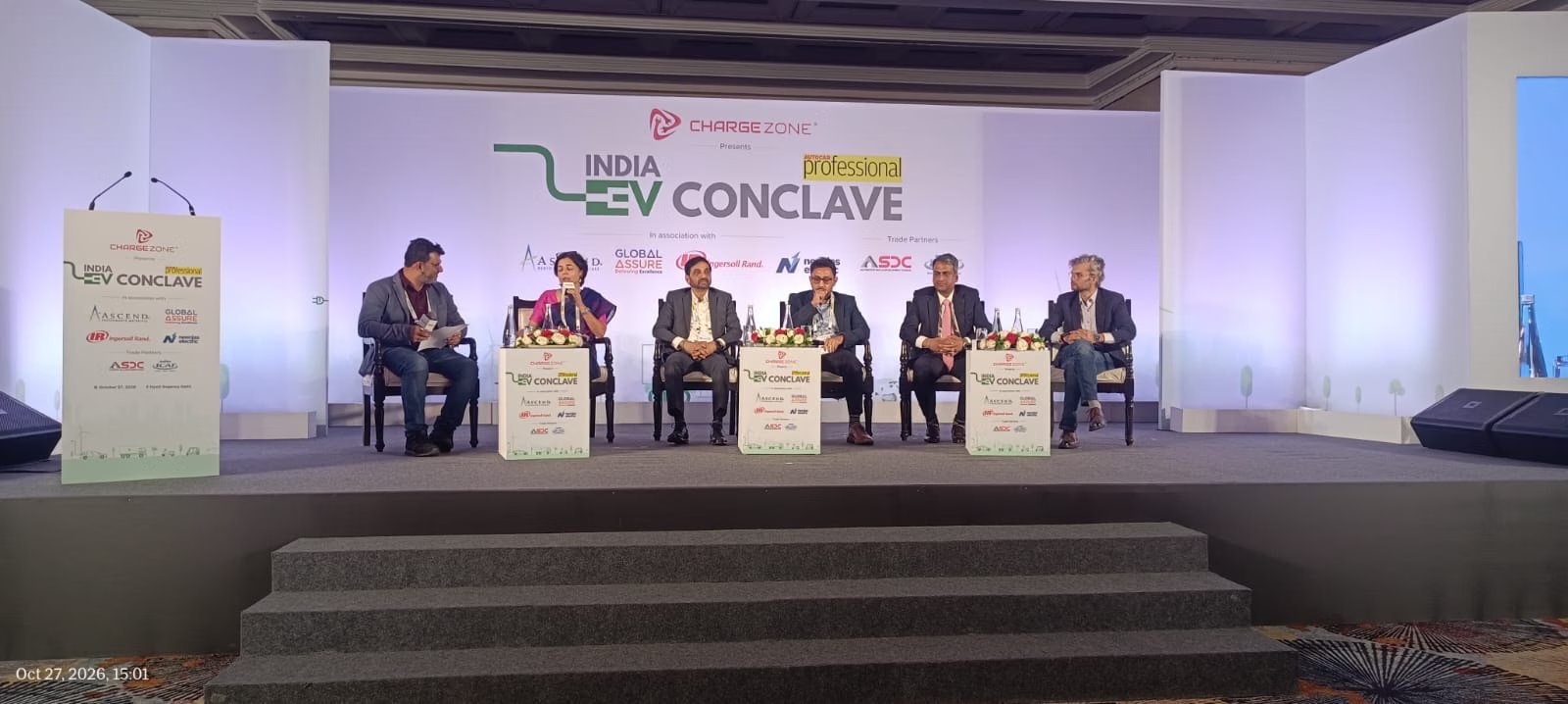
The conversation moved from basic capital access to complex cash‑flow valuations when Mahua Acharya, founder of Intent, explained that the real win is in the contract itself. She noted that once payment security is slotted in, the market can push enough capital into the space that secondary transactions—where a company raises money against an existing contract—become routine. This is a game‑changer for fleet operators who need predictable cash‑flows.
Meanwhile, private freight is the next frontier. Sumit Mittal of JSW Greentech highlighted that heavy‑truck sales could outpace bus sales by a factor of three, with 275,000 to 300,000 units sold annually. Because these buyers are AAA‑rated and focus on bottom‑line savings, financing could become even easier than for municipal operators.
What does this mean for the average buyer? For fleet managers, the new PSM framework could translate into longer‑term loans with locked‑in rates, while for individual purchasers it signals that the e‑bus market is maturing enough that future models might come with more robust after‑sales support and financing packages. Keep an eye on how the 12‑year contracts roll out across metros—Delhi, Mumbai, Chennai—and when the first secondary transactions hit the market, as that will be the litmus test for the new financing model’s durability.