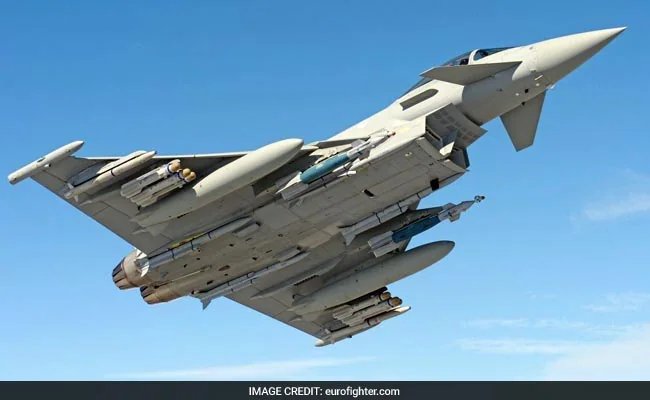
London moved to deploy RAF Typhoon fighter jets into Saudi airspace on Tuesday, a direct military response to the intensifying barrage of Houthi missiles raining down on the kingdom. The Ministry of Defence confirmed the aircraft will fly "defensive counter-air missions" specifically to shield Saudi cities and critical national infrastructure from aerial attack. Crucially, the UK explicitly ruled out offensive strikes, limiting the Typhoons’ role to interception and protection rather than hitting targets in Yemen.
Defence Minister Wes Streeting did not mince words, calling the Houthi attacks on an ally "absolutely despicable." He pointed to the specific targeting of Riyadh’s international airport, which has been hit 20 times since the start of the month. The recent escalation is not just a statistical blip; a single strike killed 13 people and wounded more than 300, forcing the UK to intervene with hardware rather than just diplomatic notes.
The deployment includes more than just jets. Britain is sending a military transport aircraft to move defence material within Saudi Arabia, alongside military advisers to support Saudi staff officers. This logistical footprint suggests a sustained commitment, not a symbolic gesture. The Houthis, backed by an alleged Iranian pipeline that Tehran denies, have executed a naval blockade, seizing swathes of Yemen’s Red Sea coast and hitting tankers to spike global energy prices.
This flare-up stems from the collapse of a years-long truce in September, reigniting the civil war where Saudi Arabia has led a coalition supporting the Yemeni government since 2015. With the United States and Saudi Arabia both accusing Iran of arming the Houthis, the UK’s entry into the direct defence sphere marks a tangible shift in the region’s security architecture. The next 72 hours will likely see a Houthi response to the Typhoons’ presence, potentially testing the limits of the UK’s "defensive only" mandate.