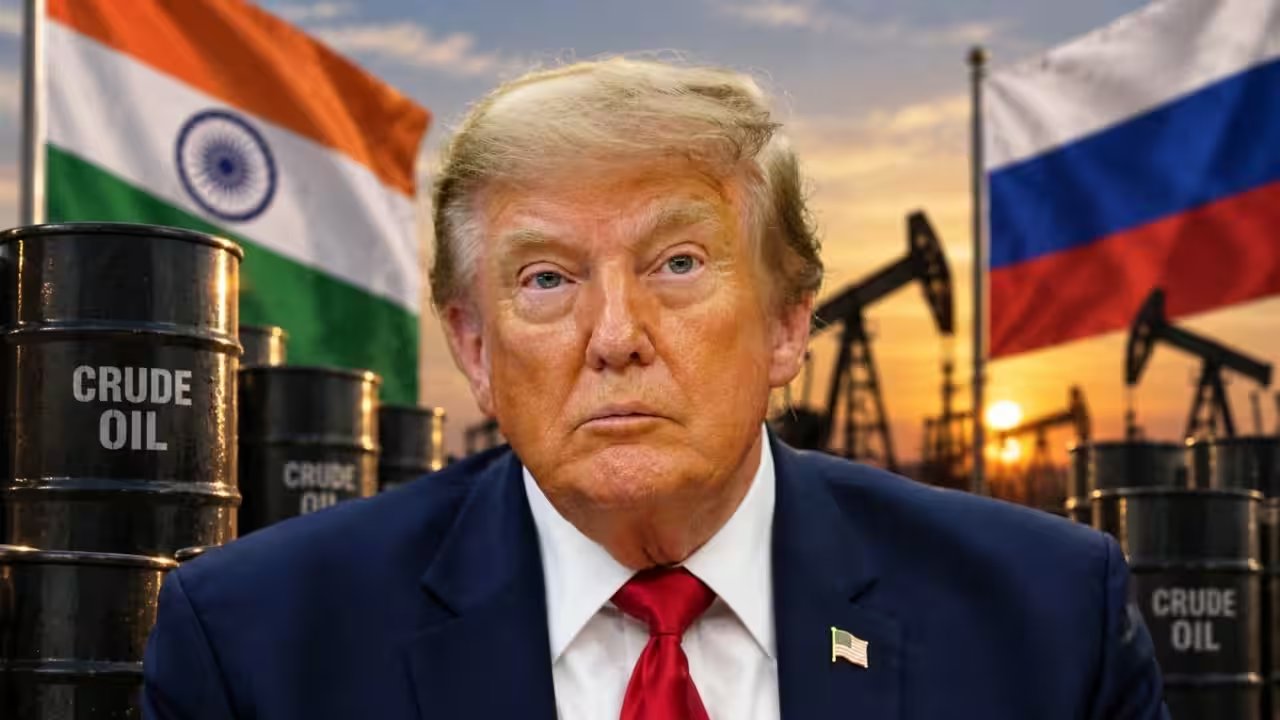
Trump invoked Section 115 of the Lindsey O. Graham Sanctioning Russia and Iran Act of 2026, certifying the waiver in national interest. The move was approved by Congress on September 18 and applies to the five largest buyers of Russian‑origin crude.
The waiver removes a 500% duty that would have hit India’s $10 billion crude imports, preserving a key portion of its energy basket and preventing a sudden cost jump for refineries and exporters. India’s reliance on Russian oil has been a strategic hedge amid Middle East volatility.
Natalia Katona, a commodity analyst, argues the waiver is less a gift to Moscow and more a price‑stabilisation tool. “Enforcing the Graham Act would risk pushing Brent above $110 a barrel,” she told TOI. Meanwhile, Pankaj Srivastava of Rystad notes that Middle‑Eastern supplies rose to 2.5 million bpd in September, offsetting any loss of Russian barrels.
The relief is temporary; the waiver expires after 60 days, after which India could face renewed tariffs unless Congress renews or the Senate amends the act. Oil traders anticipate a brief dip in Brent, but analysts warn that any future tariff enforcement could trigger another price surge. The U.S. and India will monitor the market closely as the deadline approaches.