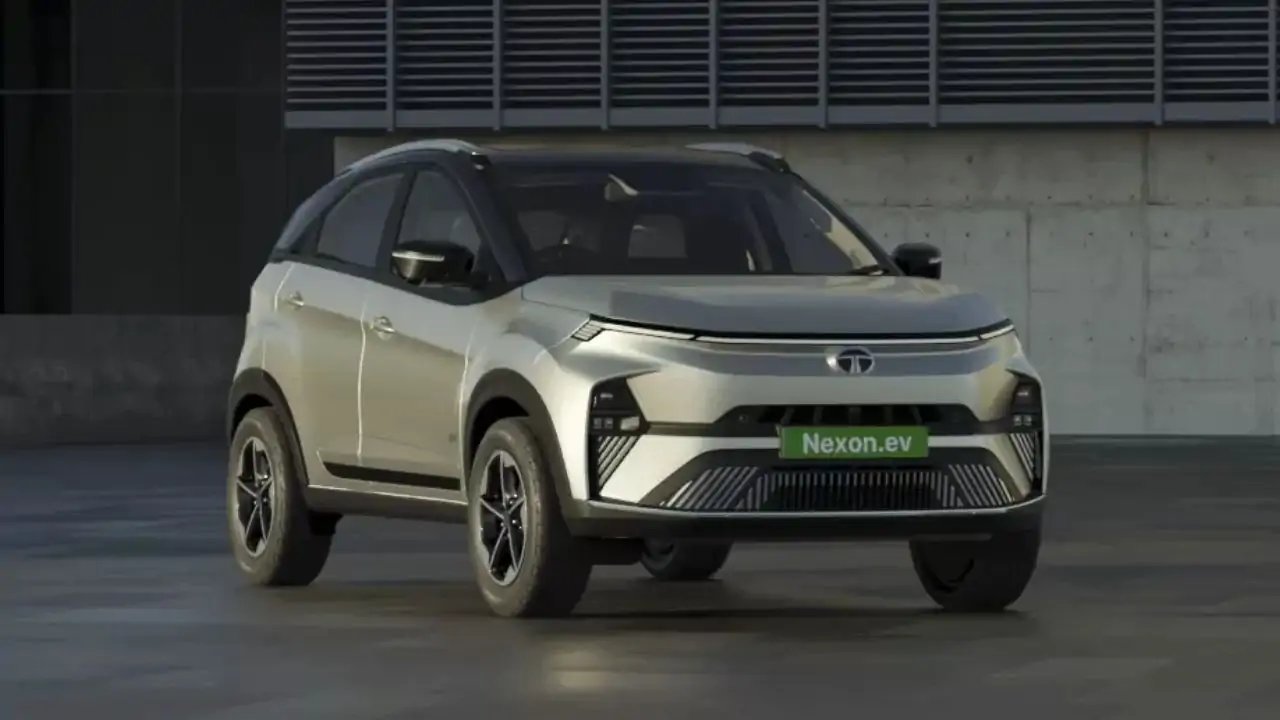
The Nexon EV is the first of Tata’s electric lineup to offer a Battery‑as‑a‑Service model, opening at ₹8.99 lakh – a sharp cut from the ₹14.34 lakh all‑in price. That’s the price of the car alone; the battery is a separate bill that climbs with distance driven.
The battery fee starts at ₹4.4 per kilometre for the Nexon, ₹5 for the Curvv, ₹5.5 for the Sierra and ₹5.9 for the Harrier. In practice, that means a 200‑km drive will add roughly ₹880 to the Nexon’s bill, so the total cost can swing wildly based on usage patterns.
In the crowded compact‑SUV segment, the Nexon’s BaaS price sits just below the MG ZS EV’s ₹12.99 lakh launch and the Hyundai Kona Electric’s ₹15.99 lakh. Yet, the ZS offers a 430‑km range on a 45‑kWh pack, while the Kona gives 452 km on 64.6 kWh – a hard sell if you’re looking for pure range over price.
The move comes amid the Indian government’s push for 30% of all new car sales to be electric by 2030. BaaS lowers the entry barrier, potentially nudging more first‑time buyers into the EV market, but it also means that total ownership cost can be unpredictable, a factor that savvy buyers will weigh against the upfront savings.
Availability rolls out in Mumbai, Delhi and Bengaluru next month, with plans to hit Chennai, Hyderabad and Pune by Q3. Keep an eye on the upcoming price breaks for the Curvv and Sierra, and watch whether Tata introduces a lower‑range variant that could sweeten the deal for budget‑conscious shoppers.
The takeaway? If you’re ready to trade a higher upfront bill for a flexible, usage‑based battery fee, the BaaS model could be the ticket. Just remember to factor in the per‑km charge and the long‑term maintenance costs before you hit the road.