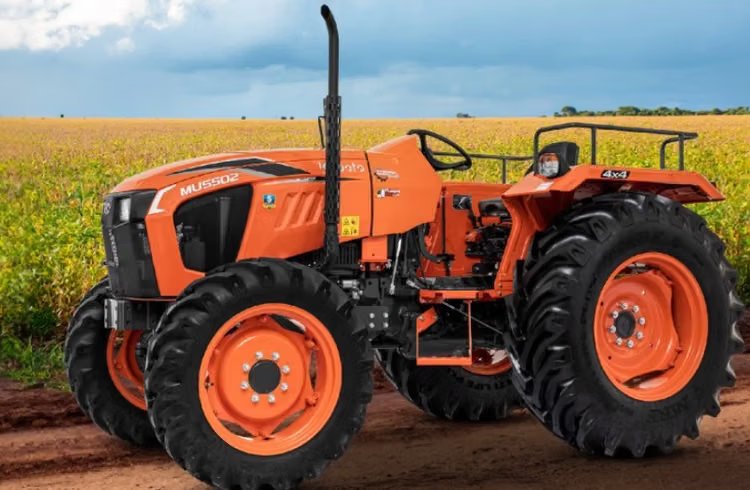
Electric tractors are set to hit 1.2 million units by fiscal 2027, the highest figure yet for the sector. For a farmer weighing options, that number means more suppliers, a broader mix of models, and a growing secondhand market.
Despite the higher sticker price, the total cost of ownership can be 15‑20 % lower than diesel counterparts, according to ICRA estimates. That comes from cheaper fuel, fewer moving parts, and minimal maintenance. Over a 4‑5‑year payback window, a farmer could recoup the extra upfront spend.
Yet the market still feels the pinch of high acquisition costs and limited charging infrastructure out in the fields. Lenders are cautious, and many small‑holder owners lack the cash flow to absorb the premium. Even with government incentives for select models, the incentive gap remains wide.
The first wave of adoption will likely come from small tractors that run predictable cycles: seed drills, post‑harvest mowers, and orchard work. These units fit better into the modest budgets of marginal farmers and offer a clearer return on investment.
For wider penetration, the ecosystem needs to catch up: targeted farmer subsidies, affordable financing packages, reliable rural charging points, and after‑sales support. If those gaps close, electrification could become the standard for mechanisation, echoing the shift seen in two‑wheelers and buses.
The rollout is still incremental. No single launch date is announced for mainstream electric tractors, but the trajectory points to a gradual shift over the next five years. Buyers should keep an eye on local dealer networks and policy updates that could unlock cost‑saving measures.