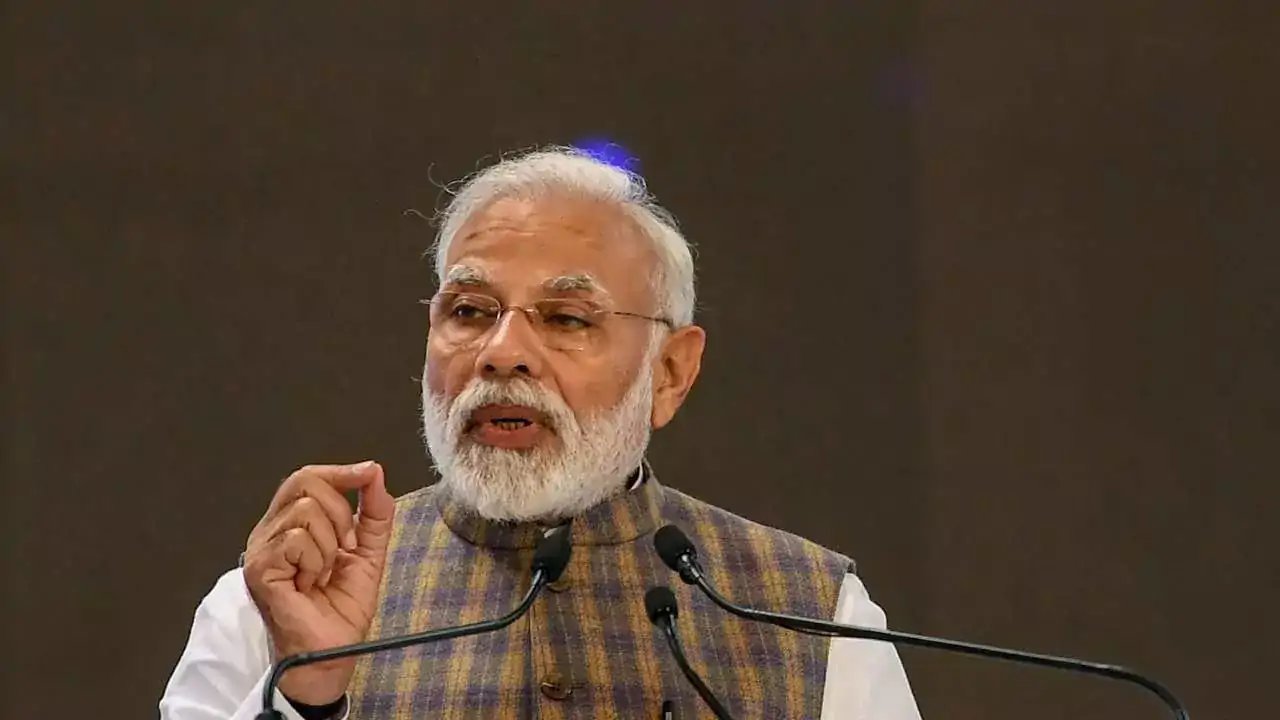
Modi said India’s major ports have nearly doubled capacity, with turnaround times cut from an average of 30 days to just 10, a change that he frames as essential for a rules‑based order.
He recalled the country’s maritime legacy, citing the ancient port city of Lothal, the naval reach of the Chola dynasty and Shivaji’s 17th‑century navy, arguing that this heritage fuels a modern drive toward Viksit Bharat by 2047.
The Prime Minister highlighted investment in ocean science, noting that India has allocated ₹1.2 trillion for research vessels and satellite monitoring to map seabed resources and protect coastal ecosystems.
In his message, Modi also unveiled plans to introduce a ‘green shipping’ framework, aiming to reduce maritime emissions by 30% over the next decade, and announced the creation of a new maritime law council to oversee implementation.
The Sagarmanthan 2026 dialogue, co‑hosted by the Ministry of Ports, Shipping and Waterways and the Observer Research Foundation, is set to convene leading maritime officials from 15 countries; Modi said the conference will set the stage for a joint maritime cooperation framework to be unveiled by year‑end.
Among the participants is a 42‑year‑old port operator from Gujarat who said increased capacity will allow local fishermen to expand their catch without violating environmental norms.