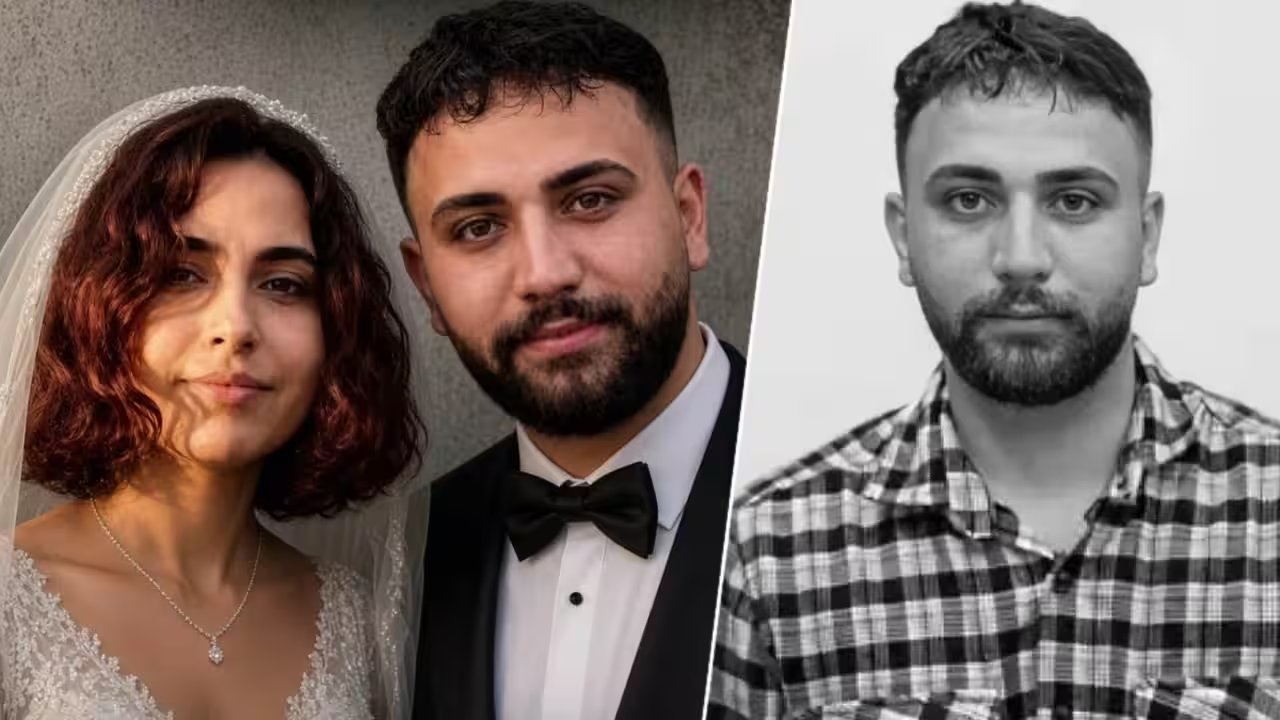
Alireza Sepahi hung from the gallows on Monday morning, his life ending just hours after he exchanged vows with his fiancée, Mahshad Keshani, through a prison phone. The 25-year-old anti-regime protester met his death alongside fellow defendant Alireza Raisi, a finality that no amount of bureaucratic delay could prevent. It was a swift, brutal conclusion to a timeline that had stretched into a nightmare for both families.
The wedding itself was a desperate, improvised ritual born of fear. Keshani, 22, who is serving a five-year sentence, pushed for the ceremony on Sunday, suspecting the end was near. Human rights lawyer Amirsalar Davoudi conducted the vows, reading them to the couples' fathers inside Isfahan prison. The dowry was sparse—a copy of the Quran, saffron rock candy, and a single red rose—yet the emotional weight was crushing. Davoudi recalled that even the prison guards broke down in tears as the young man cried out his love.
This was not Sepahi’s first brush with death. In July, he suffered a heart attack on the walk to the execution ground, slipping into a coma that temporarily stayed his executioners’ hands. Upon waking, the authorities simply rescheduled. The final family visit on Sunday confirmed what everyone feared: the regime intended to make an example of him. He was one of 12 men accused of killing four security personnel during the January 8 protests at Isfahan’s Alikhani Square, a site already infamous for public hangings.
Rights groups allege the confessions were extracted under torture, a claim the Iranian judiciary dismisses. Davoudi framed the hanging not as justice, but as revenge against the youth following the regime’s international isolation. “I do not know how to come to terms with this,” he said. The aftermath was equally punitive; Sepahi’s family was reportedly barred from burying him in his hometown, a final humiliation after the loss of their son and brother.