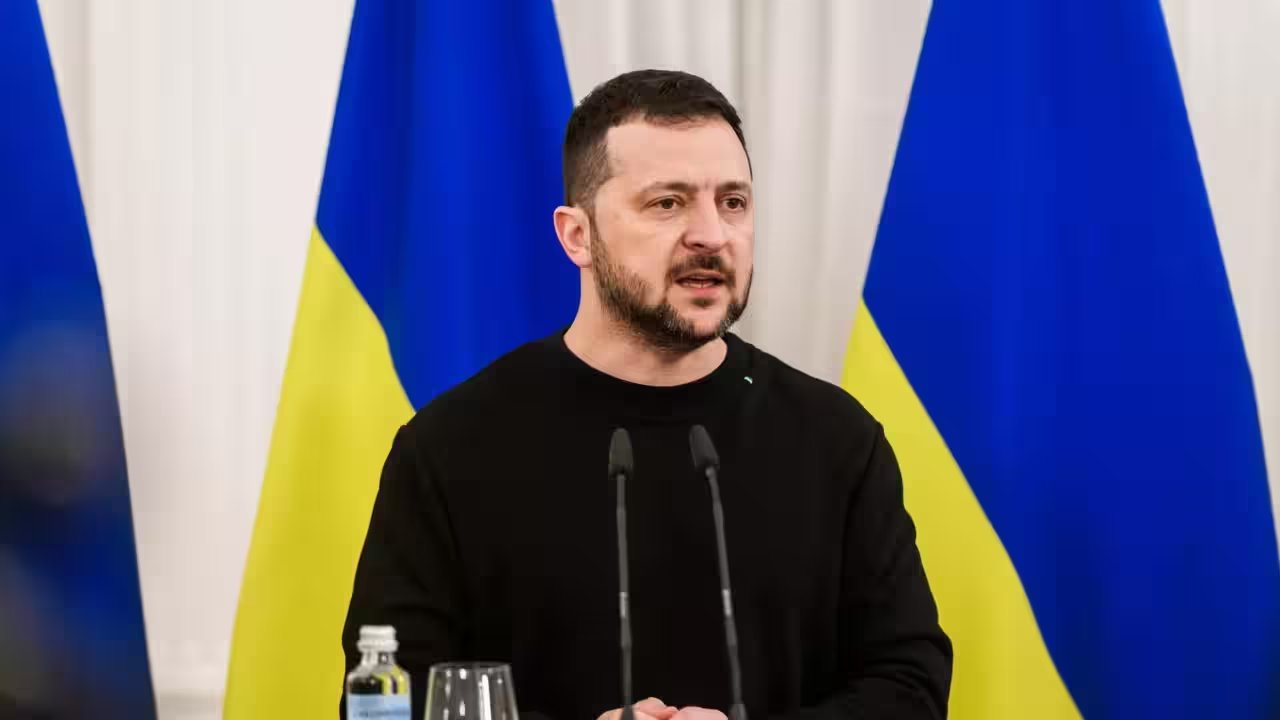
Kyiv claimed a deep-strike hit on the Kamensky Combine in Russia's Rostov region, a facility Zelenskyy identified as a key node in missile production. The operation, coordinated by Ukraine's Security Service, also targeted a Pantsir-S2 air defense system and a command vehicle for an S-400 Triumf battery. Zelenskyy valued the destroyed air defense assets at approximately $70 million, framing the attack as a direct reduction of Russia's offensive capacity.
The strikes landed against a backdrop of escalating Russian aerial bombardment. Zelenskyy reported that over the past week, Russia launched 1,940 attack drones, 1,580 guided aerial bombs, and 44 missiles, including 36 ballistic interceptors. This surge has strained Ukrainian air defenses, prompting the president to implore partners to accelerate the delivery of Patriot systems. Kyiv is scheduled to receive 500 PAC-3 interceptors from the United States, but Zelenskyy warned that waiting years for delivery is untenable while infrastructure burns.
The human cost of the Russian barrage is severe. Overnight attacks damaged substations and power lines in Dnipro, Vinnytsia, Zhytomyr, and Khmelnytskyi, leaving hundreds of thousands of families in darkness. Repair crews are working around the clock, but the scale of the outage remains massive. Independent verification of the damage to the Rostov facility remains pending, as is standard for cross-border strike claims.
Diplomatic channels remain narrow but open. Kremlin aide Yury Ushakov stated that President Vladimir Putin has "never refused to talk" to Zelenskyy, suggesting a willingness to resume negotiations if the Ukrainian president makes the move. Ushakov noted that Zelenskyy could travel to Moscow to discuss terms, a remark that hints at a potential diplomatic pivot amid the continued exchange of fire.