By 2027, India’s public EV charging grid will swell to roughly 70,000 hubs, with 29,000 of them offering fast charging.
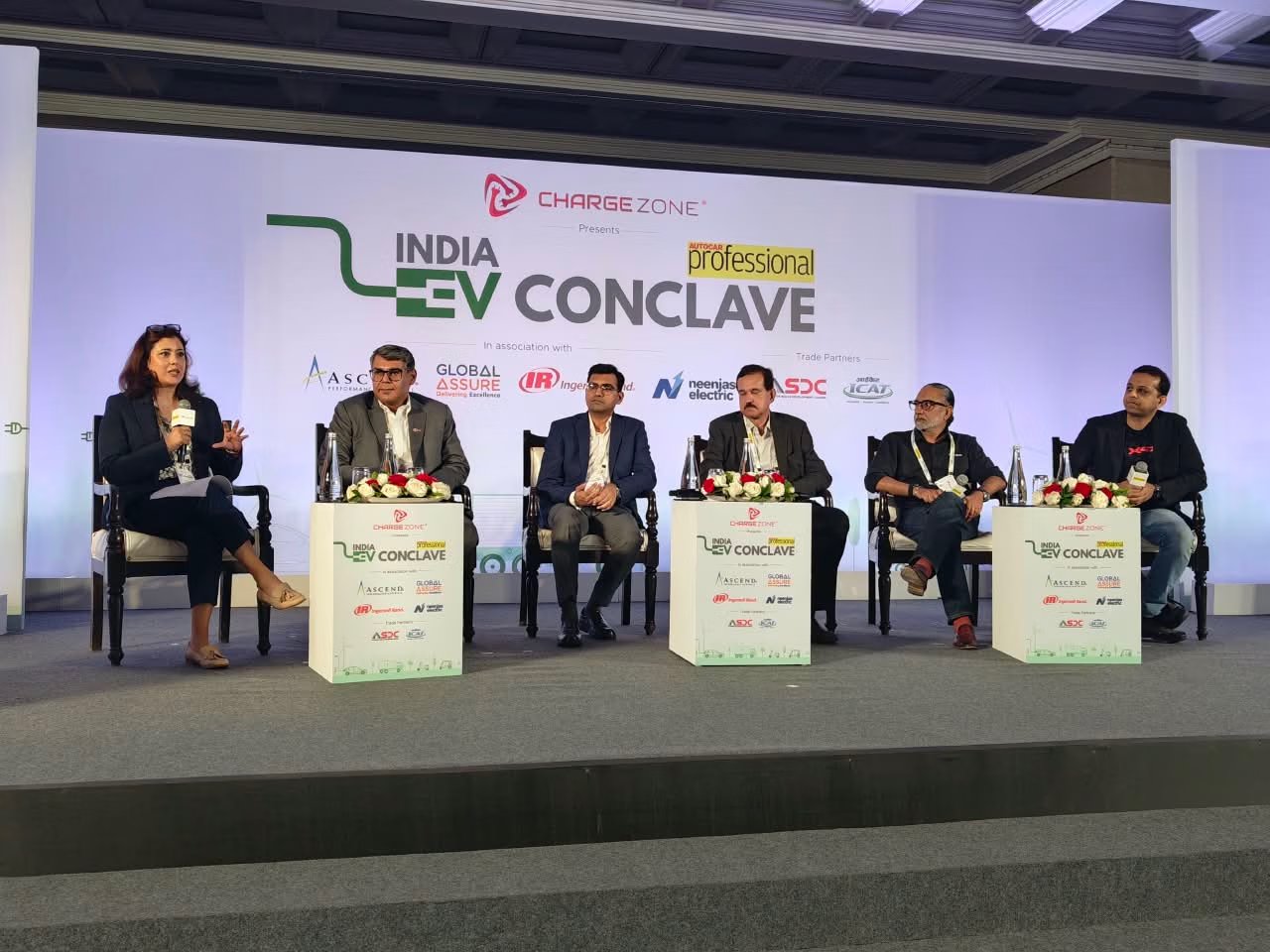
Deepak Jain of Tata Power told the Autocar Professional EV Conclave that the network’s uptime sits at about 80% across the industry, while his own grid runs at a healthier 95%.
The main culprits behind the gaps? Thin margins on electricity sales and the fact that most stations stay unmanned, which opens the door to vandalism and power hiccups—especially on highways powered by rural lines.
Meanwhile, the government’s PM E‑Drive scheme has earmarked ₹2,000 crore for charging infrastructure, but the payback window for operators stretches 5‑7 years, a reality that keeps startups on their toes.
For Tata Nexon EV owners, the upside is clear: a larger network means fewer detours, and the fast chargers can dip the battery in under 30 minutes. Yet the 20% downtime still spells caution—drivers will need to scout apps for green‑lit stations.
Looking ahead, Tata Power plans to roll out the expanded grid in phases, starting with major corridors like Delhi‑Mumbai and Bengaluru‑Hyderabad. Keep an eye on how quickly the 29,000 fast chargers hit the road, as that will dictate the real-world range and convenience for every Nexon EV enthusiast.