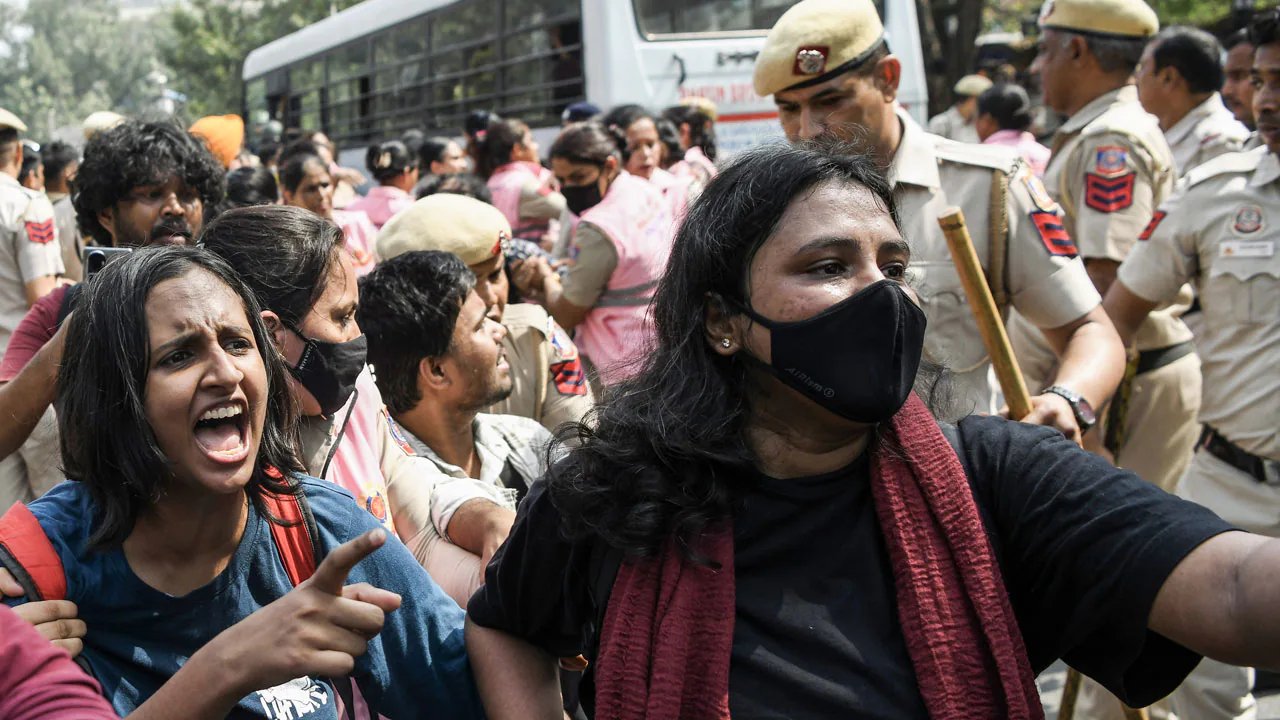
New Delhi dismissed the UN Human Rights Office’s warnings about the mass arrests in the capital as "unwarranted interference in internal affairs." The Indian mission in Geneva, posting on X on October 10, 2026, argued that the right to peaceful assembly in the world’s largest democracy is already protected by the Constitution, an independent judiciary, and a free media. They insisted that authorities acted within the law and that citizens exercise their rights subject to reasonable restrictions for public order.
The diplomatic friction flared after Delhi Police detained nearly 3,000 individuals, including Cockroach Janta Party (CJP) leaders and opposition figures, who were attempting to stage a sit-in at Jantar Mantar. The protesters sought the resignation of Chief Election Commissioner Gyanesh Kumar. Police had previously rejected the group’s permit application and imposed strict curbs on internet access, Delhi Metro, buses, and railways to prevent the mobilization. CJP founder Abhijeet Dipke, along with leaders Saurav Das and Ashutosh Ranka, were detained immediately upon landing in Delhi from Mumbai.
Thameen Al-Kheetan, the OHCHR spokesperson, had expressed concern over the "mass detentions" of demonstrators, civil society members, and journalists. Al-Kheetan urged New Delhi to ensure law enforcement exercised "utmost restraint" and that any restrictions met strict tests of necessity and proportionality. The UN official called for meaningful dialogue to address the "broadly held concerns" expressed by the public.
In response, the Indian statement counter-attacked, suggesting the OHCHR show comparable attention to large-scale protests in other countries to maintain its mandate of impartiality. Most of those detained were released by the police, though the top CJP brass and YouTuber Dhruv Rathee remained in custody at the time of the statement.
The CJP leadership is expected to file petitions in the Delhi High Court challenging the legality of the detentions and the denial of the protest permit. The government has not indicated any immediate plans to ease the restrictions or engage in the dialogue requested by the UN body.