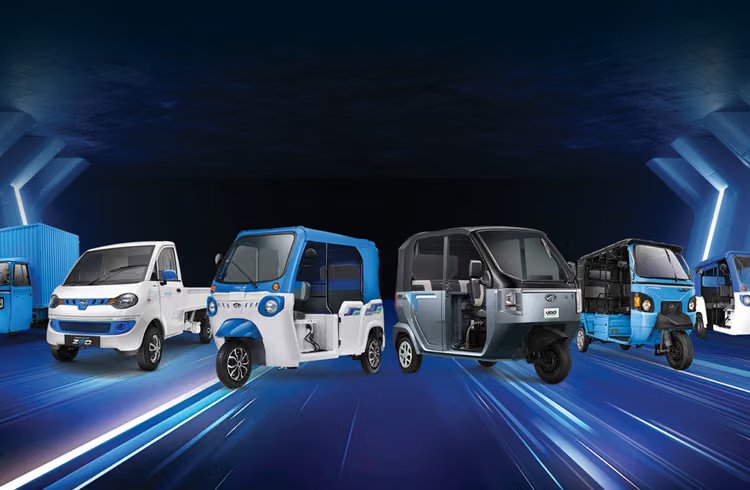
Mahindra Last Mile Mobility’s name now rings in the same circles that once only heard about global conservation bodies and tech startups. The company’s nomination in the Clean Our Air category signals that its electric last‑mile fleet is not just a niche product but a proven, scalable solution.
Over 400,000 units have moved across India’s streets, and that figure alone is a testament to the brand’s acceptance. The fleet’s cumulative 9 billion kilometres travelled without a single petrol‑fuelled mile underscores durability and operational readiness—key concerns for businesses looking to replace diesel vans.
The emission punchline is equally compelling: 185,000 metric tonnes of CO₂ avoided so far. For a fleet owner, that translates into fewer licence‑plate penalties in cities tightening emissions zones and a smoother path to meeting corporate sustainability targets.
In a market where Ola Electric, Ather, and Hyliion are making headlines, MLMML’s volume advantage sets it apart. While the others focus on high‑end urban riders, Mahindra’s models cater to cargo, delivery, and small‑business owners who need a rugged, low‑maintenance vehicle.
Policy angles are favourable too. The government’s last‑mile electrification push includes subsidies up to 35% for eligible vehicles. With a proven track record, MLMML’s models are more likely to qualify, cutting upfront costs for new buyers.
Looking ahead, the company is lining up a refreshed Treo and an expanded Zor Grand range in the next quarter, with city‑wide launches slated for October 2026. New buyers should monitor availability in metros first, then tier‑2 cities as dealer networks consolidate.
If you’re weighing an electric option for your delivery fleet, Mahindra’s track record, policy alignment, and the Earthshot nod give you a clear edge over emerging rivals.