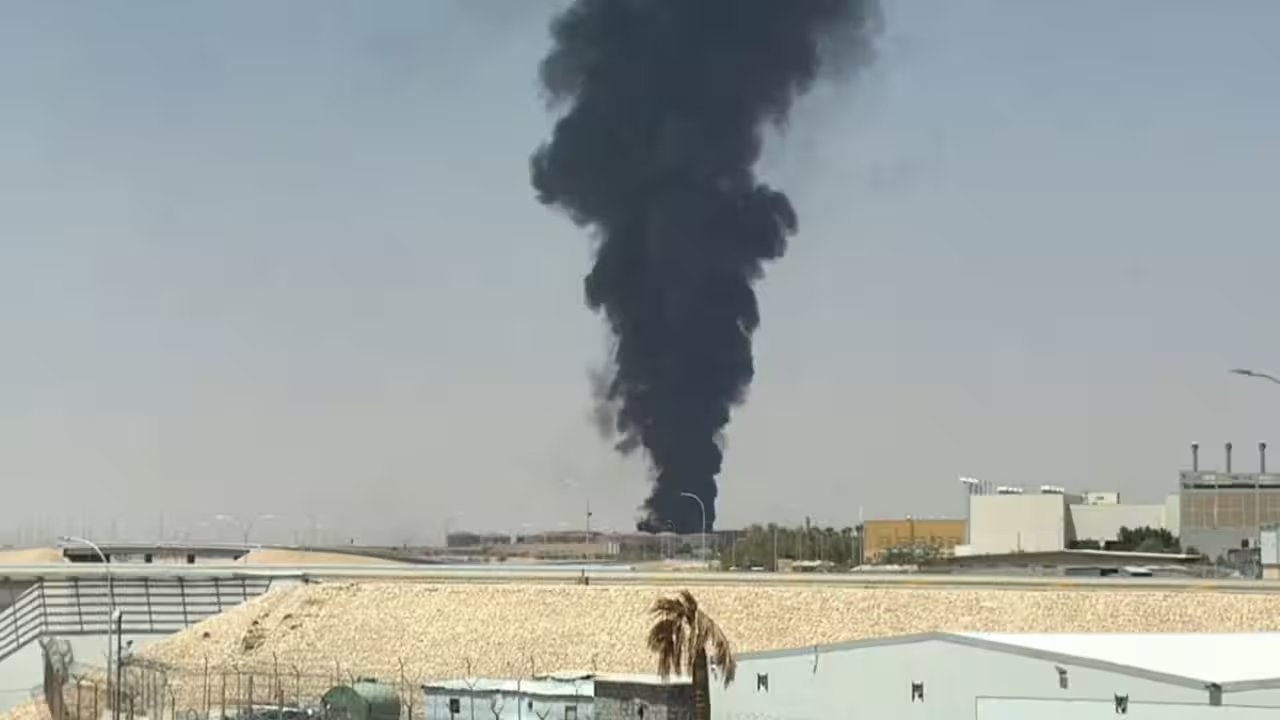
A high‑speed projectile slammed into Terminal 4 of Riyadh's King Khalid International Airport on Saturday, setting the terminal ablaze. The blast killed 12 people—four Saudi citizens, two Bangladeshis, one American, one Egyptian, one Jordanian, one Palestinian, one Syrian and one Sudanese—and left more than 300 wounded, some in critical condition.
Saudi air defence units intercepted a cruise missile near the airport minutes after the strike, according to a statement from the Royal Saudi Air Force. The airport remained closed for the rest of the week, and the Houthi foreign ministry warned airlines and passengers to steer clear of Saudi airports, except those in Mecca and Medina.
In a televised address, President Donald Trump announced that Washington was weighing participation in Saudi Arabia's campaign against the Houthis. The attack marks the deadliest strike in a Gulf Arab country since the Iran war began, heightening fears that the conflict could spill into the Bab el‑Mandeb Strait and disrupt global shipping.
Ahmed Nagi, senior analyst at the International Crisis Group, cautioned that such attacks might harden Riyadh’s resolve rather than deter it. A flight attendant from Riyadh, whose husband perished in the blast, said she now fears for her son's safety as flights are rerouted.
Saudi Crown Prince Mohammed bin Salman has urged the international community to reassure investors, while U.S. Congress members schedule a briefing on possible military aid. The incident underscores the fragile security environment as Riyadh hosts major energy conferences.