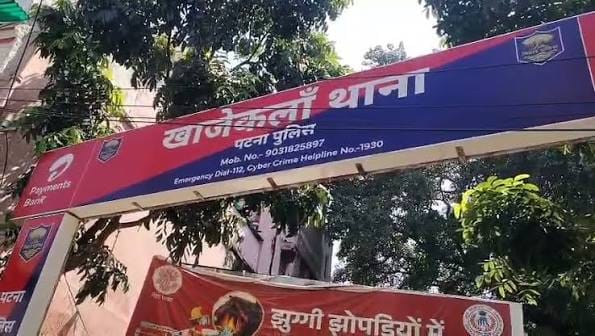
Allahabad High Court, seated by Justices Atul Sreedharan and Achal Sachdev, issued an order on September 23, 2026 that every police station in the jurisdiction must keep its CCTV systems running 24 hours a day, 365 days a year. The directive arose from a hearing in the case of Raghvendra Dubey, who alleged he was illegally detained and that the station’s cameras failed to record the incident.
Dubey was taken from Asansol to Sardhuwa police station in Chitrakoot under a sand‑mining dispute. He was held for 24 hours before the court ordered his release and awarded ₹10,000 in compensation for the unlawful detention. His arrest memo listed 3:30 PM, yet CCTV footage showed him entering at 9:00 AM and leaving at 10:19 AM, with the lock‑up entry recorded at 6:41 PM.
The court’s order requires that when a CCTV system fails, the Station House Officer must immediately record the exact time of failure in a General Diary, identify the official who reported the issue, and notify the Superintendent of Police. The Superintendent, in turn, must document repair steps and ensure minimal downtime. The order also stipulates that the General Diary must contain entry and departure times, interrogation details, and signed receipts from the detained person or their next of kin.
Chief Justice Sreedharan warned of a disturbing trend of police manipulating cameras inside stations. The order cites missing or deleted footage from three cameras during the Dubey incident as evidence of such tampering. The court’s mandate aims to curb this practice by imposing transparent record‑keeping and direct accountability.
Police stations will be inspected quarterly to verify CCTV uptime. The State Police will face penalties for any breach of the 24/7 surveillance requirement. The next step involves the Ministry of Home Affairs drafting a compliance framework to enforce the court’s order across all districts.